

Ecuador’s volcanoes offer adventure seekers thrilling climbing routes set against stunning backdrops. Start with the Avenue of the Volcanoes, home to magnificent peaks like Cotopaxi, perfect for a 2-3 day ascent needing basic mountaineering skills. Challenge yourself with Chimborazo, the planet’s furthest point from its center, featuring two non-technical paths ideal for those with good fitness.
Visit Antisana for steep ice slopes requiring adept climbing techniques, or investigate the glaciers of Cayambe while meeting local communities. Always aim for climbs from June to September or December to February for the best conditions. Uncover more about each route’s unique traits.
| Category | Details |
|---|---|
| Region | Avenue of the Volcanoes, Ecuador |
| Best Climbing Seasons | June–September and December–February |
| Top Volcanoes to Climb |
|
| Altitude Considerations |
|
| Gear Essentials |
|
| Cultural Opportunities |
|
| Guided Tours |
|
| Safety & Regulations |
|
| Difficulty Levels |
|
Avenue of the Volcanoes
Situated within Ecuador’s Andes, the Avenue of the Volcanoes presents an awe-inspiring landscape for adventure seekers. This remarkable region, named by explorer Alexander von Humboldt, showcases eight principal snow-capped peaks, including the iconic Cotopaxi and Chimborazo. These towering giants offer a breathtaking backdrop for those enthusiastic to experience climbing in Ecuador. The Avenue’s high altitude and stunning views promise a thrilling encounter with nature, offering everything from beginner-friendly hikes to challenging ascents.
As you investigate this region, you’ll find that many of the volcanoes are active, contributing a layer of excitement and dynamism to the experience. The area is rich in biodiversity, with dense forests and indigenous villages providing cultural depth to your adventure. Regardless of being an experienced climber or a novice seeking a taste of high-altitude trekking, the Avenue of the Volcanoes holds something for everyone.
In addition to the climbing adventures, the surrounding scenery includes turquoise lakes and thermal hot springs, enhancing the complete experience. The Avenue of the Volcanoes truly stands as a demonstration of Ecuador’s natural beauty, offering adventure seekers an unforgettable expedition through its majestic landscapes.
Climbing Cotopaxi
View this post on Instagram
Climbing Cotopaxi offers an exhilarating adventure for those enthusiastic to tackle one of the world’s highest active volcanoes. Towering at 5,897 meters (19,347 feet) and situated in Cotopaxi National Park, it’s one of Ecuador’s most iconic volcanoes. The expedition typically spans 2-3 days, beginning with acclimatization at the base camp. Here, you’ll prepare for the high altitudes you’ll face during your ascent.
Your climb kicks off at midnight from the José Rivas Refuge, perched at 4,800 meters. This challenging trek through snow and glaciers demands more than just stamina—it requires basic mountaineering and ice climbing skills. Crucial gear, such as crampons and ice axes, becomes your best ally as you navigate the icy terrain.
The ascent to the summit usually takes 6-8 hours, testing your resolve and technical skills. However, the effort is well worth it. Reaching the summit rewards you with breathtaking views of the surrounding Andean landscape and a glimpse into the volcano’s crater. Climbing Cotopaxi is a dream for both novice and experienced climbers, offering a unique blend of adventure, challenge, and stunning natural beauty unmatched among Ecuador’s volcanoes.
Conquering Chimborazo
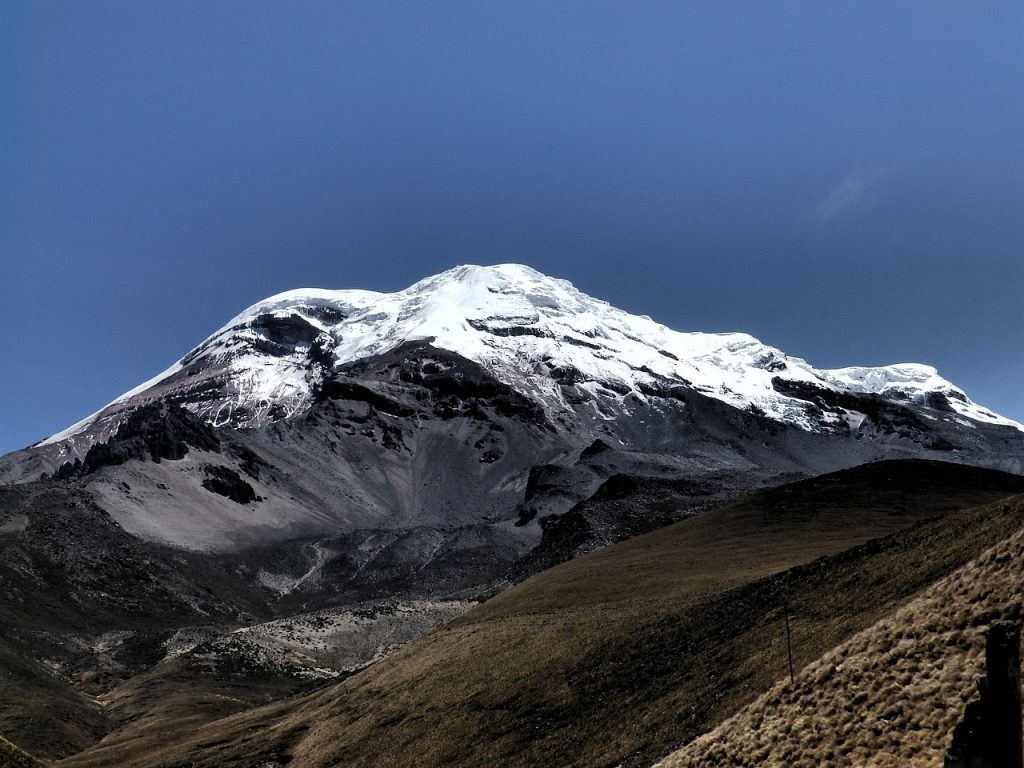
After conquering Cotopaxi, you might find yourself yearning for an even greater challenge in Ecuador. Chimborazo, the highest mountain in Ecuador, stands proudly at 6,268 meters (20,564 feet). Its summit represents the farthest point from Earth’s center due to the equatorial bulge, making it an enticing peak for adventure seekers like you. The ascent is non-technical, yet demands good physical fitness and prior acclimatization to reduce the risk of altitude sickness.
Your expedition begins with a 3-4 day experience. The initial day is essential for acclimatization, where you’ll settle at a base camp, preparing your body for the high-altitude conditions. The summit attempt kicks off between midnight and dawn, ensuring you witness the breathtaking views as the sun rises. Chimborazo offers two main routes: Veintimilla and Cumbre Maxima. Both paths guarantee panoramic views of the Andes, rewarding your efforts with a visual feast upon reaching the summit.
As you climb, expect to encounter unique Andean flora and fauna, adding to the stunning landscape. Taking on Chimborazo isn’t just about reaching a physical peak; it’s about embracing the spirit of adventure that Ecuador’s highest mountain promises.
Exploring Carihuairazo
View this post on Instagram
Often overshadowed by its towering neighbor, Chimborazo, Carihuairazo offers a comparable enchanting adventure for those enthusiastic to investigate Ecuador’s volcanic landscapes. This extinct stratovolcano, located just 10 km from Chimborazo, stands at 5,020 meters (16,466 feet) and provides a rewarding climb for adventure seekers. While the ascent isn’t overly technical, it’s essential to have a good fitness level and be prepared for the necessary acclimatization over the 2-3 day climb.
The trek takes place in the Chimborazo Fauna Production Reserve, a region rich with biodiversity and home to a significant breeding program for endangered camelids. As you make your way up Carihuairazo, you’ll be surrounded by stunning views of neighboring volcanoes, showcasing the unique landscapes that define this part of Ecuador.
Reaching the summit of Carihuairazo rewards climbers with breathtaking vistas that make the effort worthwhile. The high level of elevation provides panoramic summit views that highlight the region’s beauty and the interconnectedness of its volcanic giants. Regardless of being a seasoned climber or a new adventure seeker, Carihuairazo offers an accessible yet thrilling experience in the heart of Ecuador’s volcanic wonderland.
Ascending Cayambe
Cayambe, standing at a formidable 5,790 meters (18,996 feet), offers one of Ecuador’s most exhilarating glacier climbing experiences. As you prepare for this adventure, you’ll need to hone your basic climbing skills since the ascent involves maneuvering through snowy and icy terrain. Though it’s considered non-technical, your knowledge in using crampons and ice axes will be essential as you make your way up the glacier.
The climb generally spans 2-3 days, beginning with a significant acclimatization day at the base camp. This helps your body adjust to the altitude, ensuring you’re ready for the demanding ascent ahead. Setting off at midnight, you’ll aim to reach the summit by early morning when conditions are most stable. The early start is key to avoiding afternoon weather shifts that can make the trek more challenging.
Throughout your expedition, you’ll also have the opportunity to engage with Ecuador’s rich culture by interacting with the indigenous communities residing near Cayambe. These encounters provide unique cultural experiences, enriching your exploration beyond the physical climb. Reaching the summit rewards you with breathtaking views, making every effort worthwhile.
Tackling Antisana
View this post on Instagram
Having conquered the icy expanse of Cayambe, your next challenge awaits at the majestic Antisana. This high stratovolcano in Ecuador stands at an impressive 5,704 meters (18,714 feet), promising an adventure that tests your mountaineering skills. Known for its steep, ice-covered slopes and imposing glaciers, Antisana demands proficiency in ice climbing techniques. As you commence this expedition, you’ll find that the climb typically spans two days, allowing ample time for acclimatization and preparation.
Your ascent begins with breathtaking views of Ecuador’s Andean landscape, where unique flora and fauna accompany you along the way. The technical challenges of the climb are rewarded with stunning, panoramic vistas upon reaching the summit. Here, the sight of Chimborazo in the distance adds to the awe-inspiring experience.
Each step on Antisana’s icy terrain reinforces the need for expertise and careful planning. The high altitude and demanding conditions make this volcano a true test of determination and skill. Yet, it’s precisely these challenges that make reaching the summit so satisfying. With every successful ascent, you gain not only a deeper appreciation for Ecuador’s natural beauty but also a profound sense of achievement.
Optimal Climbing Seasons
When planning your Ecuadorian climbing adventure, timing is everything. The ideal climbing seasons for Ecuador’s volcanoes are from June to September and December to early February. These months offer the best time to conquer towering peaks like Cotopaxi, the highest active volcano in the country. During these peak climbing seasons, you’ll find more stable weather, making your ascent more enjoyable and safe. However, be prepared for increased tourist activity, which can improve your experience with lively cultural exchanges.
Climbing conditions in the Andes are notoriously unpredictable, so always gear up properly. While early mornings in the wet season, from October to May, can still offer sunny skies, afternoon rainfall is common. This makes early climbs feasible, though access to high altitude areas may be restricted by heavy rains. If you’re aiming for a Cotopaxi climb or any other high-altitude adventure, plan your trip during the ideal climbing seasons to guarantee accessibility.
Even outside the peak seasons, lower altitude regions remain viable for trekking. Remember, Ecuador’s unique weather patterns mean being ready for anything, regardless of when you choose to investigate these majestic mountains.
Frequently Asked Questions
What Equipment Is Essential for Climbing Ecuador’s Volcanoes?
When you’re tackling a volcano, you need the right climbing gear. Start with safety equipment: helmets, harnesses, and ropes. Dress in clothing layers to adapt to changing temperatures. Use navigation tools like maps and GPS to stay on course. Don’t forget hydration systems and food supplies to keep your energy up. Pack a primary aid kit for emergencies and learn climbing techniques. Always consider weather conditions for a safe adventure.
How Can Climbers Effectively Acclimate to High Altitudes in Ecuador?
To effectively acclimate to high altitudes, start with a gradual ascent and prioritize altitude training. Physical fitness is essential, but don’t underestimate mental preparedness. Practice breathing techniques to manage altitude sickness. Acclimatization strategies include resting, staying hydrated, and eating a diet rich in carbohydrates. Remember, hydration importance can’t be overstated. Listen to your body and adjust your pace as needed. With these steps, you’ll improve your high-altitude experience.
What Safety Measures Should Be Taken When Climbing Volcanic Routes?
When tackling volcanic routes, confirm you’ve got climbing permits and personal insurance sorted. Always check weather conditions and stay updated on volcanic activity. Carry a primary aid kit and know how to handle altitude sickness. Keep group communication strong and have emergency contacts ready. Stick to route markings for safety. It’s essential to be aware of your surroundings and make smart decisions. Prioritize your safety to enjoy the adventure fully.
Are There Guided Tours Available for Beginners on Ecuador’s Volcanoes?
You’re in luck! There are guided climbing options for beginners on volcanoes. Local tour operators offer beginner-friendly routes and climbing packages available for all levels. You’ll find safety training sessions and group climbing experiences to guarantee you’re well-prepared. If you prefer, private guide services are also an option. Some tours even include cultural immersion, teaching you volcano climbing etiquette. It’s a fantastic way to investigate while staying safe!
What Is the Difficulty Level of Climbing Ecuador’s Various Volcanoes?
Climbing Ecuador’s volcanoes varies in difficulty, so you’ll need to evaluate climbing grades and route conditions. Some require advanced skill requirements due to terrain challenges and altitude effects. Weather considerations can change conditions quickly, demanding strong navigation skills. Physical fitness is essential, as is understanding local regulations. While some paths suit beginners, others are for seasoned climbers. Assess your abilities and prepare for the unique demands each volcano presents.