

Set off on the iconic Tour du Mont Blanc, tackling a 170 km alpine trail that circles the majestic Mont Blanc Massif and threads through France, Italy, and Switzerland. After challenging climbs and breathtaking views, this trek rewards with fresh alpine scenery and diverse cultural experiences. Plan your expedition for the best weather from mid-July to mid-September and pick your route—either clockwise or the gentler counter-clockwise.
Secure accommodations in advance to avoid surprises. Pack necessities like sturdy boots and cash. With an array of options and tips to reflect upon, your unforgettable adventure awaits with more to discover.
| Category | Details |
|---|---|
| Location | France, Italy, and Switzerland |
| Total Distance | 170 km (106 miles) |
| Elevation Gain | 10,000+ meters (32,800+ feet) |
| Trail Duration | 6 to 12 days (depending on pace and route) |
| Best Time to Hike | Mid-July to Mid-September (Early September is ideal) |
| Route Options | Clockwise or Counter-clockwise; 18 route variants |
| Highest Point | 2,526 meters (8,287 feet) |
| Major Highlights | Grand Balcon Sud, Val Ferret Valley, Fenetre d’Arpette, Grand Col Ferret, Lac Blanc |
| Accommodation Types | Mountain huts, guesthouses, camping (book early in peak season) |
| Accommodation Cost | €10–25 (camping), €60–150 (half-board hut), €600–1,100 (private/dorm package) |
| Self-Guided Package | €79–199 (includes itinerary, maps, resources) |
| Meal Prices | €10–15 (lunch), €15+ (meals), €5 (coffee/beer) |
| Recommended Gear | Sturdy boots, trekking poles, layered clothing, water bottle, cash (€150–200) |
| Navigation Tools | Trail markers (red/white or blue/white), paper map, GPS/smartphone apps |
| Safety Tips | Check weather, carry both paper and digital maps, train in advance, understand terrain |
Overview of Tour Du Mont Blanc
The Tour du Mont Blanc is one of Europe’s most iconic long-distance hiking trails, offering an unforgettable adventure through the heart of the Alps. This classic route spans approximately 170 km (106 miles), encircling the majestic Mont Blanc Massif. As you set off on this expedition, you’ll experience challenging elevation gains exceeding 10,000 m (32,700 ft) and cross 10 breathtaking mountain passes. It’s a true circumnavigation of Mont Blanc, taking you across three countries: France, Italy, and Switzerland.
Starting in the charming town of Chamonix, you’ll pass through picturesque alpine villages and take in stunning vistas from viewpoints like the Grand Balcon Sud and Fenetre d’Arpette. The best time to hike around this magnificent landscape is from mid-July to mid-September. Early September, in particular, offers stable weather and fewer crowds, making it an ideal choice for many trekkers.
Hikers typically complete the circuit in 6 to 12 days, depending on their pace and route variations. While the trek can be demanding, the rewards are unparalleled, offering a truly engaging experience in the heart of Europe’s most famous mountain region.
Trekking Routes and Options
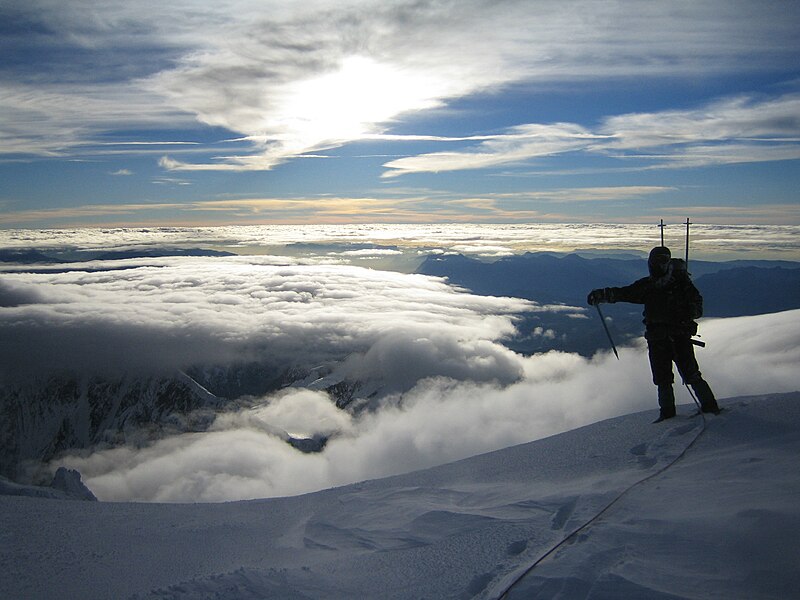
Imagine lacing up your boots and stepping onto the Tour du Mont Blanc (TMB) trail, where diverse trekking routes and options await your adventure spirit. You’ll find that the TMB covers about 170 kilometers (106 miles), offering both clockwise and counter-clockwise hiking trails. Many prefer the counter-clockwise route, as it provides easier initial climbs, allowing you to acclimate gradually to the trail’s demands.
As you trek, you’ll navigate 10 mountain passes, with the highest point reaching 2,526 meters (8,287 feet). Expect a cumulative elevation gain of around 10,000 meters (32,800 feet), which will challenge and reward you with breathtaking views. There are 18 variants along the TMB, giving you the flexibility to tailor your expedition to match your skill level and scenic preferences.
Highlights of the complete route include stunning viewpoints like Grand Balcon Sud and Fenetre d’Arpette, along with iconic spots such as Col de la Seigne and Val Ferret Valley. Depending on your pace and chosen path, you can complete the trek in 6 to 12 days. The ideal hiking season is from mid-July to mid-September, ensuring the best weather conditions for your adventure.
Planning and Accommodation
Planning your trek on the Tour du Mont Blanc requires careful consideration, especially regarding accommodation. The ideal hiking season is from mid-July to mid-September, with early to mid-September offering the most stable weather. During these peak months, booking your accommodation in advance is vital since huts fill up quickly. Accommodation options vary from high alpine hotels to rustic dormitory-style hostels. Rates range from €10-25 per night for camping to €600-1,100 for dormitory or private rooms. Keep in mind that the longest section without accommodation is 15 km (9 mi) between La Fouly and Champex Lac, so plan accordingly.
For those preferring a structured approach, self-guided hiking packages are available. These packages provide detailed itineraries and navigation resources, costing around €79.00 to €199.00, depending on the chosen package. They offer peace of mind, guaranteeing you won’t miss any necessities during your hike.
Additionally, many mountain huts and guesthouses along the Tour du Mont Blanc offer half-board meal plans. These plans typically include dinner and breakfast, costing between €60-150 per night. Ultimately, don’t forget to purchase travel insurance to protect against unforeseen circumstances during your adventure. Proper planning guarantees a seamless and enjoyable hiking experience.
Trail Highlights and Scenery
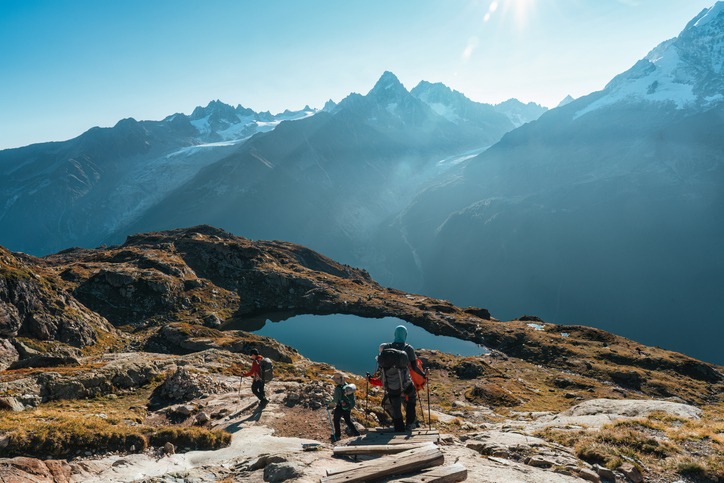
As you finalize your plans and secure your accommodations, prepare to engage yourself in the stunning vistas along the Tour du Mont Blanc. This legendary trail offers hikers a chance to immerse themselves in the breathtaking beauty of the Mont Blanc massif. With its highest peak towering at 4,810 meters, the backdrop is nothing short of awe-inspiring. Among the trail highlights, the Grand Balcon Sud stands out with its panoramic views, inviting you to pause and soak in the majesty of the surroundings.
The Val Ferret Valley enchants with lush landscapes and alpine charm, providing a serene escape for hikers. Scenic viewpoints like the Fenetre d’Arpette and Grand Col Ferret offer unique perspectives of glacier landscapes and surrounding peaks, making them perfect spots for capturing unforgettable memories.
Notable trail variants, such as the Trient Glacier and Lac Blanc, enrich your expedition with diverse scenic offerings. Iconic locations like Rifugio Bonatti serve as picturesque settings for witnessing stunning sunrises and sunsets over the mountains. As you traverse these trails, the combination of natural beauty and the grandeur of Mont Blanc promises an unforgettable trekking experience.
Safety and Navigation Tips
View this post on Instagram
Before setting out on the Tour du Mont Blanc, verify your safety and navigation strategies are solid. The trail is marked with red and white blazes for easy navigation, while blue and white indicate more challenging parts. Despite these markers, it’s wise to use GPS maps and smartphone apps. These tools improve navigation by providing precise location tracking and route planning. Most of the trail has reliable cell phone service, ensuring you can communicate and access navigation tools as needed.
In preparation, familiarize yourself with the trail’s elevation profile and anticipate changing weather conditions. These elements can greatly impact your hike, so staying informed is essential. Since weather can change rapidly, always check forecasts and prepare for different conditions.
Carrying a detailed map alongside your digital tools is a useful safety tip. Some hikers find discrepancies in guidebooks and maps, so a paper map acts as a reliable backup. This dual approach—combining traditional and digital navigation—ensures you stay on track.
Costs and Packing Essentials
Initiating the Tour du Mont Blanc requires careful budgeting and smart packing. The total trip costs for a 7-day/6-night hike hover around $4,000 CAD or $3,000 USD, with trail costs alone at approximately $1,050 CAD or $775 USD. Accommodation choices vary; mountain huts range from €60 to €150 per night for half-pension, while camping is more budget-friendly at €10-25 per night. Meals along the trail average about €15 per person. If you’re planning to enjoy a beer or coffee, expect to spend around €5 each. For midday sustenance, packed lunches typically cost between €10-15.
Packing necessities are vital for a successful trek. Make certain you’ve got sturdy hiking boots for the demanding terrain, trekking poles, and layered clothing to handle the ever-changing weather conditions. A refillable water bottle is a must to stay hydrated. Although many places accept credit cards, carrying 150-200 Euros per person in cash is wise, as some mountain huts on Mont Blanc might not. Remember, planning ahead with the right hiking gear and financial prep guarantees you can fully enjoy the breathtaking views and adventure of the Tour du Mont Blanc.
Frequently Asked Questions
How Difficult Is the Mont Blanc Trail?
You’ll find the Mont Blanc trail’s difficulty moderate to challenging. Prepare for altitude sickness by acclimatizing due to high elevations. Weather conditions can change rapidly, making physical preparation vital. Equip yourself with proper gear for varied terrain types, including steep and muddy sections. Navigation skills are critical for safe trekking. Your fitness level should be high, allowing flexibility with route variations. Follow safety tips to guarantee a successful trek.
Can Beginners Hike Mont Blanc?
Yes, you can hike Mont Blanc as a beginner with proper preparation. Focus on improving your fitness level and familiarizing yourself with hiking gear to tackle the challenging trail conditions. Be mindful of altitude sickness and boost your navigation skills. Spring to early autumn is the best season. Enjoy cultural experiences and wildlife encounters along the way. Use local accommodations for rest, and prioritize trail safety throughout your expedition.
How Many Days Do You Need to Hike Mont Blanc?
You’ll need 6 to 12 days to hike Mont Blanc, depending on your ideal itinerary and trail conditions. Consider crucial gear, weather considerations, and your fitness level. Accommodation options vary, with some sections requiring careful planning. Utilize transportation logistics for shorter treks. Enjoy local cuisine at stops and prioritize safety tips and hydration strategies. Capture memories at stunning photography spots while balancing rest and exploration for a rewarding experience.
Can You Hike Mont Blanc Without a Guide?
You can hike Mont Blanc without a guide if you’ve prepared well. Guarantee your hiking equipment suits the trail’s demands and plan your route carefully. Familiarize yourself with trail navigation, local regulations, and weather conditions. Consider your fitness preparation and pack enough food supplies. Solo hiking requires vigilance, so follow safety tips and know your accommodation options. With these precautions, hiking independently offers freedom and a personalized adventure.