

Preparing for the Mera Peak expedition involves a mix of physical training, acclimatization, and gear readiness. Begin a 3-4 month training regimen focused on cardiovascular and strength exercises to build endurance. Prior high-altitude experience is beneficial; acclimatize gradually by staying several nights in Khare and at Base Camp. Drink 3-4 liters of water daily to stay hydrated. Equip yourself with vital gear like mountaineering boots and layered clothing.
Learn basic mountaineering skills, such as using crampons and ice axes. Ascertain mental preparedness by visualizing your success and fostering teamwork. There’s more to discover on this incredible adventure ahead.
| Preparation Category | Key Details |
|---|---|
| Training Duration | 3–4 months of cardiovascular and strength training with weighted hikes |
| Acclimatization Strategy | 3 nights in Khare (4,950m), 2 nights at Base Camp (5,350m), with rest days built into the itinerary |
| Hydration Requirements | Drink 3–4 liters of water per day to prevent altitude sickness and maintain performance |
| Essential Gear | Mountaineering boots, crampons, ice axe, helmet, layered clothing, -30°C sleeping bag, insulated water bottles |
| Technical Skills | Basic mountaineering: use of crampons, ice axe, glacier travel, crevasse awareness |
| Health & Safety | AMS prevention, hydration, nutrition, personal medical kit, regular symptom checks for HAPE/HACE |
| Mental Preparation | Visualization, self-talk, goal setting, teamwork, emotional support |
| Itinerary Duration | 15-day trek with summit attempt around Day 13; gradual ascent with time at High Camp (5,800m) |
| Beginner Friendly? | Yes, with proper training, acclimatization, gear, and guidance from local experts |
| Compared to Kilimanjaro | Harder – higher elevation, colder climate, requires basic mountaineering skills and snow/ice navigation |
Acclimatization and Altitude Strategy
Acclimatization is fundamental when preparing for the Mera Peak expedition. To guarantee a successful climb, you must gradually ascend, allowing your body to adapt to high altitudes. Spending three nights in Khare at 4,950 meters and two nights at Base Camp at 5,350 meters is imperative for acclimatization. This process helps you adjust to the lower oxygen levels you’ll face during the trek in Nepal.
Having prior high-altitude experience, especially above 5,000 meters, is critical. It enables you to recognize and manage the symptoms of altitude sickness, which can be dangerous if ignored. The acclimatization process includes staying well-hydrated and nourished. Consuming 3-4 liters of fluids daily is recommended to maintain your physical performance and aid recovery.
Incorporating rest days into your itinerary is another important strategy. These days improve your recovery, giving your body time to adjust and reducing the risk of altitude-related complications. The summit attempt on day 13 allows ample time for acclimatization and recovery, guaranteeing you’re in the best possible condition to reach the peak. By following these strategies, you increase your chances of having a successful Mera Peak expedition.
Training and Physical Conditioning
While acclimatization is key to handling high altitudes, your physical preparation plays a comparable important role in a successful Mera Peak expedition. A robust training regimen should span 3-4 months and is critical for building the endurance required for prolonged trekking. Start with cardiovascular exercises—running, cycling, or swimming—to improve your stamina and prepare your body for the challenges of high-altitude climbing.
Incorporate strength training focusing on your legs, core, and upper body. Bodyweight squats, lunges, and hill running are fundamental exercises that build the strength needed to navigate the rugged terrain of Mera Peak. Moreover, simulate climbing conditions by hiking with a weighted backpack. Begin with 6 kg (13 lbs) and gradually increase to 12 kg (26 lbs), aiding both in physical conditioning and acclimatization.
Flexibility exercises like stretching and yoga can’t be overlooked. They improve mobility and greatly reduce your risk of injury. Regular outdoor training on varied terrains is also essential. This practice not only prepares you for the unpredictable conditions of the trek but also bolsters your mental resilience. Through this all-encompassing approach, your preparation will set the stage for a successful and unforgettable adventure.
Essential Gear and Equipment
View this post on Instagram
As you initiate the Mera Peak expedition, having the right gear and equipment is vital for both safety and success. Start with specialized mountaineering boots, designed to offer support and warmth on rugged, icy terrains. Pair them with crampons and ice axes to guarantee stability and traction during your high-altitude adventure.
Next, focus on a proper layering system to combat the extreme temperatures and unpredictable weather. Insulating layers and waterproof outerwear will keep you comfortable and dry throughout the trek. Don’t underestimate the importance of a reliable hydration system; insulated water bottles or hydration packs are important to maintain adequate fluid intake, preventing dehydration in the cold.
For overnight stays at Base Camp and High Camp, lightweight tents and sleeping bags rated for sub-zero temperatures are required. These will provide warmth and comfort during chilly nights. Your thorough packing list should also include a primary-aid kit, trekking poles for stability, and personal items like sunscreen and high SPF lip balm to protect against sun exposure at altitude.
Mountaineering Skills Development
Proper preparation goes beyond packing the right gear; it involves honing your mountaineering skills to guarantee a safe and successful Mera Peak expedition. Building a solid mountaineering experience starts with enrolling in courses that focus on using fundamental climbing equipment like crampons and an ice axe. Mastering these tools allows you to traverse icy terrain and the semi-technical sections of the climb confidently. Furthermore, familiarize yourself with snow and ice movement techniques to improve your safety and efficiency.
It’s imperative to practice glacier and crevasse travel skills, as these are critical for traversing high-altitude environments. Proficiency in setting up and managing climbing gear, including harnesses, trekking poles, and hydration systems, assures comfort and safety throughout the expedition. Regular group training sessions will help you develop teamwork and communication skills, both of which are foundational for a successful mountaineering experience.
To prepare effectively, consider the following:
- Enroll in mountaineering courses for foundational skills.
- Emphasize mastering your climbing equipment.
- Integrate an acclimatization schedule into your preparation.
- Focus on weight training to build necessary strength.
- Develop strong teamwork and communication skills.
Safety and Health Considerations
View this post on Instagram
Guaranteeing your safety and health is paramount when initiating a Mera Peak expedition. Acclimatization is critical; follow a gradual ascent schedule with three nights in Khare and two nights at Base Camp to reduce risks of Acute Mountain Sickness (AMS). This helps your body adjust to the altitude and minimizes altitude-related health issues. Hydration is fundamental, so drink 3-4 liters daily to maintain energy levels and combat dehydration, a common trigger for AMS, High Altitude Cerebral Edema (HACE), and High Altitude Pulmonary Edema (HAPE).
Nutrition is similarly important. A balanced diet rich in carbohydrates, proteins, and healthy fats supports your energy levels and aids recovery. Include key training in your preparation to build endurance and strength, which helps your body cope with the physical demands of high-altitude trekking.
Regular health monitoring is critical. Be vigilant about symptoms of AMS, HACE, and HAPE. Recognizing them early enables a timely response and prevents serious complications. Familiarize yourself with primary aid and carry a personal medical kit equipped with important medications to address common high-altitude ailments. These precautions guarantee you’re prepared for any health challenges during your expedition.
Mental Preparation Techniques
Climbing Mera Peak isn’t just a test of physical strength; it’s a mental challenge as well. Mental resilience is key to overcoming the discomfort, isolation, and fatigue you’ll encounter at high altitudes. Visualization techniques can improve your confidence by allowing you to mentally rehearse successful outcomes, preparing you for the challenges ahead. Setting realistic objectives keeps your focus and motivation sharp, helping you tackle those long trekking days.
Engage in positive self-talk to bolster your mental strength. When the trek gets tough, reminding yourself of your capabilities can encourage you to push through and maintain a positive outlook. Furthermore, fostering team cohesion through open communication and shared experiences is vital. Having a supportive team provides significant emotional support when you need it most.
Here are some techniques to take into account:
- Visualization: Picture yourself successfully reaching each milestone.
- Self-talk: Use affirmations to build confidence and resilience.
- Goal setting: Break down the trek into achievable objectives to maintain motivation.
- Team building: Cultivate trust and reliance within your team for better cohesion.
- Emotional support: Lean on your team for encouragement during challenging moments.
Preparation for Mera Peak involves both physical and mental readiness, ensuring you’re equipped for this incredible expedition.
Optimal Climbing Itineraries
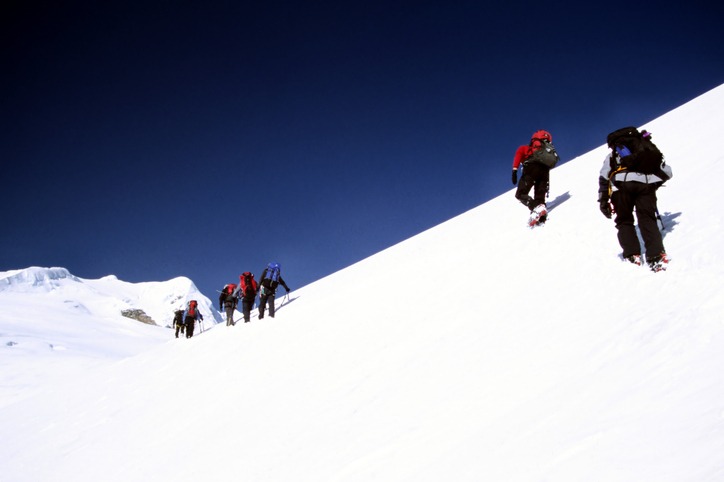
Crafting an ideal climbing itinerary for Mera Peak is vital to a successful and safe expedition. You’ll want to plan for a trek duration of about 15 days, which guarantees proper preparation and acclimatization. Allocating acclimatization days is imperative; spend three nights in Khare (4,950m) and two nights at Base Camp (5,350m) before your summit attempt. These breaks help your body adjust to the altitude gain, markedly increasing your chances for a successful ascent.
As you design your climbing itineraries, consider the daily altitude gain and guarantee gradual ascents to minimize the risk of altitude sickness. Reaching High Camp (5,800m) offers extra acclimatization opportunities, setting you up for the final summit push. You’ll plan to attempt the summit on day 13, allowing ample time for recovery and adjustment.
Incorporating physical training into your schedule before the expedition is vital. It not only prepares you for the challenges of the climb but also improves your general experience. With a well-structured itinerary, ample acclimatization days, and the right physical preparation, you’ll be well-positioned to conquer Mera Peak and enjoy one of Nepal’s best trekking experiences.
Frequently Asked Questions
Can a Beginner Climb Mera Peak?
As a beginner, you can climb Mera Peak, but you’ll need proper training and preparation. Focus on beginner training to improve your fitness levels and acclimatization strategies to prevent altitude sickness. Equip yourself with gear necessities and make sure you’ve got trekking permits. Pay attention to weather conditions and plan your trekking routes wisely. Mental preparation is key, so practice resilience. Consider hiring local guides for expertise and safety during your expedition.
How Difficult Is Mera Peak?
When you ask how difficult Mera Peak is, consider the altitude acclimatization and trail challenges. You’ll need strong physical fitness and proper trekking gear to handle the varied weather conditions. Mastering basic climbing techniques is essential, as is understanding expedition logistics and safety measures. Accept the local culture to improve your experience. While demanding, the ascent is achievable with preparation and respect for the peak’s challenges.
Is Mera Peak Harder Than Kilimanjaro?
When you compare Mera Peak and Kilimanjaro, you’ll find Mera Peak is harder due to its higher altitude and tougher weather conditions. It requires climbing techniques and trekking gear for snow and ice. You need to be physically fit to handle altitude sickness and navigate rugged terrain. The summit experience on Mera Peak offers breathtaking scenic views. You’ll also engage yourself in the rich local culture, making the challenge rewarding.
How to Prepare for a Trek in Nepal?
To prepare for a trek in Nepal, focus on a solid training regimen and familiarize yourself with local culture. Pack trekking gear like crampons and cold-weather clothing. Be aware of altitude sickness, and follow safety tips, aiming to spend time acclimatizing. Opt for guided tours during the best seasons, such as March or October. Respect trail etiquette and capture memories with photography tips. Don’t forget packing necessities, including plenty of water.