

Set off on the epic adventure to Machu Picchu, a masterwork of Inca architecture perched high in the Andes. You’ll start your expedition with a flight to Cusco, the gateway to this renowned archaeological site. From there, choose between trekking the iconic 26-mile Inca Trail or selecting a less-traveled route like the Lares Trek for a more cultural experience. Don’t forget to book tickets well in advance, aiming for the dry season for the best weather. Navigate Machu Picchu with a knowledgeable guide to fully appreciate its enduring legacy. Uncover more tips and options as you journey towards this historic gem.
Location and History
How did Machu Picchu remain such a secret for so long? Situated high in the Andes mountains, this marvel of the Inca Empire was constructed in the 1400s under the rule of Pachacutec. As a royal retreat for the elite, Machu Picchu’s location was intentionally secluded, hidden from the prying eyes of the Spaniards during their conquest in the 1530s. This strategic concealment played a significant role in the ancient ruins’ preservation, sparing it from destruction and allowing it to avoid the fate that befell many other Inca sites.
Machu Picchu spans just 20 acres of the sprawling 80,310-acre Machu Picchu Historic Sanctuary, designated a UNESCO World Heritage site in 1983. Its cultural significance and historical preservation are evident in the awe it inspires to this day. Hiram Bingham, an adventurer from Yale University, is credited with reexamining Machu Picchu in 1911 while searching for the lost city of Vilcabamba. His finding brought international attention to the site, highlighting its importance in the study of Inca civilization. The unique positioning of Machu Picchu among the Andes mountains guaranteed it remained untouched by fortune seekers, preserving its legacy for future generations.
| Category | Details |
|---|---|
| Location | Andes Mountains, Peru (20 acres within 80,310-acre Machu Picchu Historic Sanctuary) |
| Altitude | Approx. 2,430 meters (7,970 feet) |
| Getting There | Fly into Lima → Flight to Cusco → Train or hike to Aguas Calientes → Shuttle to Machu Picchu gate |
| Trekking Options |
|
| Best Time to Visit | Dry season (May–September) for clear skies; Wet season (October–April) for fewer crowds |
| Entry Tips |
|
| Nearby Stay | Aguas Calientes — Recommended hotels: Casa Andina, Sumaq |
| Cultural Highlights |
|
| Tour Operators |
|
| Recommended Gear |
|
| FAQs | Q: Is the Lost City Trek harder? A: Yes—steeper, hotter, more remote than Machu Picchu. Q: Can beginners hike Machu Picchu? Q: Is a guide worth it? Q: Do you need to book in advance? |
Access and Transportation
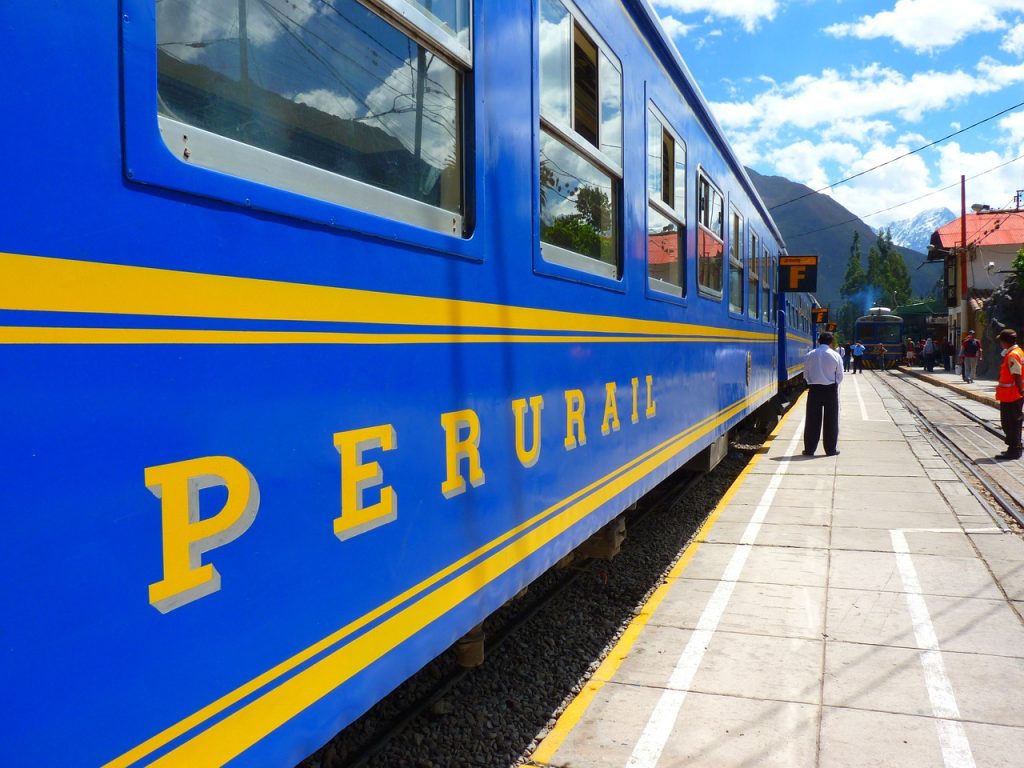
To experience the wonder and history of Machu Picchu initially, understanding how to get there is essential. Your expedition begins by flying into Lima, Peru’s main international airport. From Lima, a quick one-hour flight takes you to Cusco, the gateway to Machu Picchu. Cusco is 70 miles southeast of the site, and from there, you’ll commence on the next leg of your adventure.
Aguas Calientes serves as the primary access point to Machu Picchu. Most visitors spend at least one night in this charming village before discovering the ruins. To reach Aguas Calientes, you can take train services from Ollantaytambo, Urubamba, or Poroy stations. These travels, operated by PeruRail and Inca Rail, take between 1.5 to 3 hours, offering stunning views of the Andean landscape.
For those craving a more active approach, the Inca Trail provides a 26-mile trek directly to Machu Picchu, taking about four days. Regardless of whether you choose the scenic train ride or the challenging trail, booking your transportation and accommodations in advance is vital, especially during peak tourist seasons. This guarantees you won’t miss out on the chance to discover this UNESCO World Heritage Site.
Trekking Routes
View this post on Instagram
Exploring the trekking routes to Machu Picchu is an adventure that often leaves hikers inspired and awed by the region’s natural beauty. The Classic Inca Trail is a popular choice, stretching 26 miles (42 km) and typically completed in 4 days. It connects key archaeological sites before culminating at the iconic Machu Picchu. However, with elevations exceeding 13,000 feet (4,000 meters), acclimatization is essential to avoid altitude sickness. As you ascend, you’ll traverse diverse ecosystems, from high-altitude mountains to lush cloud forests.
For those seeking alternative hiking options, consider the Short Inca Trail, covering the last 9 miles of the Classic route in just one day. If you’re up for a challenge, the Salkantay Trek offers a 41-mile (66 km) expedition over 4 days, with breathtaking views of stunning landscapes. Each trek provides unique experiences and challenges, encouraging you to fully engage with the natural beauty that surrounds you.
For less crowded experiences, the Lares Trek and Choquechaca Trek are excellent choices. These routes allow you to connect with local culture while marveling at the area’s picturesque scenery, ensuring a memorable experience to Machu Picchu.
Visitor Planning Tips
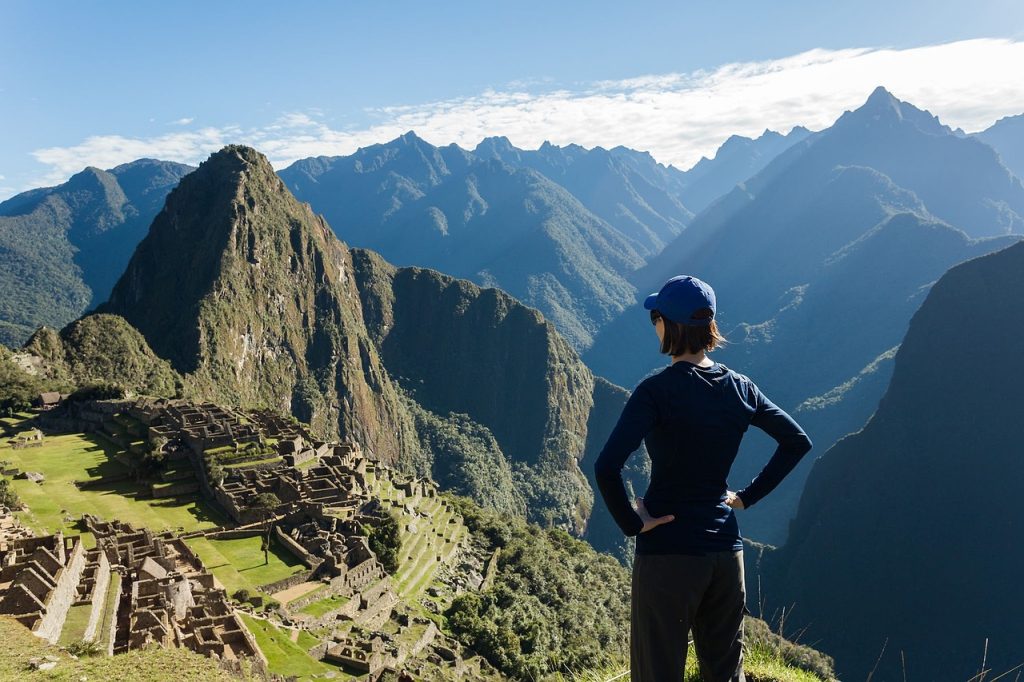
Planning your visit to Machu Picchu requires some foresight to guarantee a smooth and memorable experience. Start by booking your tickets at least three months in advance, since entry times are strict and availability is limited. Opt for Circuit 1 and 2, ideal for those who want a guided exploration of the site. To make the most of your adventure, consider both the dry season from May to September—the best time to visit with clear skies—or the wet season from October to April for fewer crowds and a lush, green landscape.
Staying overnight in Aguas Calientes, the gateway town to Machu Picchu, allows you to catch early morning visits and witness the stunning sunrise over the ruins. You’ll find a range of accommodations like Casa Andina and Sumaq, ensuring a restful night before your exploration. To enrich your experience, hire a local expert guide through a reputable local tour operator. They’ll provide insights into the Inca Trail, along with the rich history and key structures like the Temple of the Sun and Intihuatana. Your visit to Machu Picchu promises to be unforgettable with these planning tips.
Cultural Insights
Situated high in the Andes, Machu Picchu serves as a stunning tribute to the Inca civilization‘s ingenuity and deep cultural roots. As you investigate this UNESCO World Heritage site, you’ll notice the ancient ruins reflecting the Incas’ architectural prowess and agricultural innovations. The terraced fields and stone structures are powerful symbols of their enduring legacy, showcasing the cultural significance of Machu Picchu. The Intihuatana stone, believed to have been used for astronomical and religious purposes, highlights the Incas’ profound connection to nature and cosmology.
Visiting Machu Picchu offers a captivating experience into the Inca civilization and their sustainable practices. Within the Machu Picchu Historic Sanctuary, you’ll encounter a diverse range of endemic flora and fauna, emphasizing the Incas’ respect for the environment. To truly appreciate the cultural significance, it is crucial to respect local customs, which include traditional practices like avoiding modern clothing to preserve the site’s integrity.
Guided tours are highly recommended to deepen your understanding, as the site doesn’t have informational signage. These tours provide valuable insights into the historical context and cultural importance of Machu Picchu, enhancing your expedition to this remarkable lost city.
Tour Operator Selection
View this post on Instagram
Choosing the right tour operator for your Machu Picchu adventure is crucial for a memorable experience, as only authorized companies can guide you along the Inca Trail. You’ll need to select tour operators with the necessary Inca Trail permits to guarantee a legal and smooth expedition. When you’re reviewing options, research operators’ reputations on platforms like TripAdvisor. Here, customer reviews can reveal insights into service quality, the expertise of guides, and general satisfaction with the Inca Trail tour.
Consider opting for operators that offer smaller group sizes. This often translates to more personalized attention, enhancing your trekking experience. Smaller groups allow for better interaction with a knowledgeable bilingual guide, who can enrich your trip with historical insights and confirm your safety.
Average costs for Inca Trail tours typically range from $500 to $700 USD per person. Be wary of prices notably lower than this range, as they might indicate compromises in service quality or fair wages for porters and cooks.
Frequently Asked Questions
Is the Lost City Trek Harder Than Machu Picchu?
The Lost City Trek‘s difficulty surpasses Machu Picchu due to its heat, humidity, and steep inclines. You’ll need solid trekking gear and fitness preparation to tackle the trail conditions. While Machu Picchu’s altitude can cause sickness, the Lost City offers more cultural experiences and fewer crowds. Both provide scenic views and historical significance. Follow hiking tips and safety measures to guarantee a memorable adventure, regardless of which trek you choose.
Do You Need to Book Lost City Trek in Advance?
You don’t need trekking permits for the Lost City trek, but booking in advance is wise. Popular trekking companies fill up quickly, especially during the best time, from December to March. Early booking guarantees you get ideal local guides and accommodations. Consider trail difficulty, gear recommendations, and packing necessities. Exploring cultural insights and safety tips improves your experience. Reserve your spot early for a seamless adventure on this incredible trek.
Can a Beginner Hike Machu Picchu?
Absolutely, you can hike Machu Picchu as a beginner! Just focus on trail preparation and fitness requirements. Acclimatize to the altitude in Cusco for a few days, and don’t overlook hiking necessities: sturdy boots, layered clothing, and a primary-aid kit. Gear recommendations include rain gear and a good backpack. Safety tips are vital; watch for local flora and wildlife encounters. Appreciate the cultural significance, and aim for the best seasons to improve your experience.
Is a Guide Worth It for Machu Picchu?
You’ll find that hiring a guide for Machu Picchu is worth it. Guided tours improve your experience by providing historical context and safety tips. They offer insights into cultural significance, trail conditions, and local wildlife. Guides recommend packing necessities and share knowledge on altitude sickness. They highlight the best photography spots, ideal seasons, and guarantee you don’t miss key features. Their expertise enriches your expedition, making it truly memorable.