

Wearing ski goggles improves your experience on the slopes by protecting your eyes and enhancing performance. Goggles provide a complete seal against wind, snow, and harmful UV rays, vital at high altitudes. They reduce glare and improve visibility with specialized lenses, offering clearer vision in varied light conditions. You’ll appreciate the comfort of adjustable straps and foam padding while guaranteeing compatibility with helmets. With interchangeable lenses, adapting to changing weather is effortless. Anti-fog technology guarantees your vision remains unobstructed. Proper maintenance, like avoiding harsh chemicals, extends the lifespan of your goggles. There’s much more to investigate about ski goggle benefits.
Enhancing Visibility on Slopes
Ski goggles often play an important role in improving visibility on the slopes. When you’re skiing, the right pair of goggles can make all the difference between a great day and a frustrating one. Their specialized lenses reduce glare from the snow, so you won’t find yourself squinting in bright sunlight. This glare reduction is vital for maintaining clear visibility.
Different colored lenses, like amber and rose, improve contrast by enhancing visibility in overcast or cloudy conditions. This means you can better spot those pesky bumps and dips in the terrain. High-performance lenses, such as those with LUMALENS® technology, automatically adjust tint to match varying light conditions, ensuring you always have a clear view, no matter the weather.
Considering the level of Visible Light Transmission (VLT) is key. Goggles with a higher VLT rating are perfect for overcast or snowy days, while lower VLT lenses suit bright, sunny conditions. This adaptability optimizes visibility across all scenarios. Furthermore, spherical or toric lens shapes provide a wider field of view, improving your peripheral vision so you can safely navigate and be aware of your surroundings while skiing.
Eye Protection Features
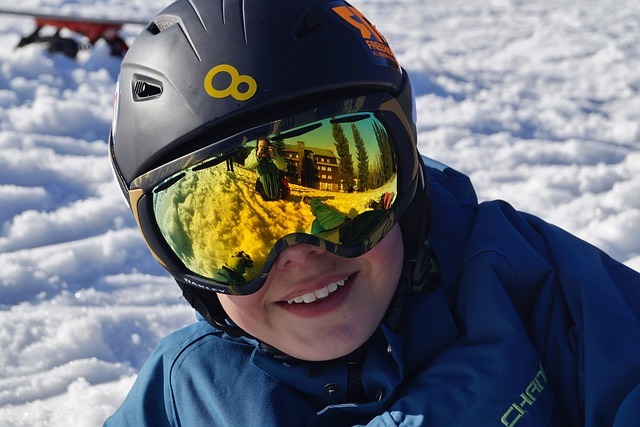
Some might overlook the importance of eye protection, but ski goggles are essential for safeguarding your vision on the slopes. These goggles protect your eyes by blocking harmful UV rays, which are intensified at high altitudes. With recommended protection indices of 3 to 4, you can ski confidently, knowing your eyes are safe from potential UV damage. The lenses also reduce glare from the snow, improving your visibility and reducing eye strain.
Ski goggles do more than just protect against UV rays. They create a complete seal around your eyes, keeping out harsh winds, snow, and debris. This seal is critical for preventing injuries and guaranteeing you can navigate the slopes safely. Many goggles come with anti-fog coatings and double lenses, which help maintain clear vision even when temperatures fluctuate.
For those facing particularly harsh light, some goggles feature polarized lenses, which further improve visibility by minimizing glare. Moreover, adjustable straps provide a snug fit, keeping your goggles securely in place. Consider these features when selecting your gear:
- UV protection: Keeps your eyes safe from the sun’s harmful rays.
- Anti-fog coatings: Maintain clear vision in diverse conditions.
- Polarized lenses: Reduce glare for improved clarity.
- Complete seal: Prevents wind and debris from causing irritation.
- Adjustable straps: Guarantee a comfortable, secure fit.
Lens Technology and Options
Grasping the subtleties of lens technology can greatly enhance your skiing experience. Your eyes are fundamental for maneuvering the slopes, and selecting the right goggles can improve visibility and shield them from UV rays. Ski goggles utilize visible light transmission (VLT) ratings to ascertain how much light passes through the lenses. Lower VLT ratings are ideal for bright, sunny days, while higher VLT is advantageous for overcast or snowy conditions, guaranteeing you always have maximum visibility.
Polarized lenses are a game-changer, considerably reducing glare from snow and sunlight, which not only increases safety but also comfort. Interchangeable lenses allow you to adapt your goggles to differing light conditions, offering versatility throughout the day. This adaptability guarantees you’re prepared for any weather shift, maintaining performance and safety.
Lens tints are another fundamental consideration. Yellow and amber lenses improve contrast in low-light conditions, perfect for those cloudy ski days, while darker tints are excellent for reducing glare on sunny days. To prevent fogging, advanced anti-fog coatings and double lens designs are indispensable, maintaining clarity and performance. Remember, the right lens technology, paired with a good goggles fit, boosts your skiing experience.
Comfort and Fit Considerations
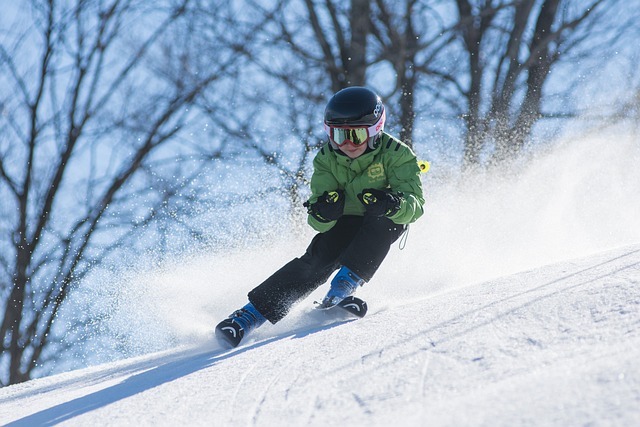
Guaranteeing a proper fit for your ski goggles is vital for both comfort and functionality on the slopes. A good fit not only improves comfort but also prevents fogging, guaranteeing clear visibility. With options for different face shapes, including gender-specific and Asian fit designs, you can find goggles that fit you perfectly. Adjustable straps are fundamental, allowing you to customize the fit to accommodate diverse head sizes, providing a secure hold even during intense skiing activities. Foam padding adds to the comfort by creating a snug seal around your eyes, keeping out cold air and snow. Some premium models include moisture-wicking liners for added comfort.
Consider these fit necessities:
- Adjustable straps: Customize the fit for a secure hold.
- Foam padding: Guarantees comfort and blocks out cold air.
- OTG goggles: Designed for those who wear prescription eyewear.
- Helmet compatibility: Guarantees a snug fit without slipping.
- Moisture-wicking liners: Improve comfort by keeping you dry.
OTG goggles are a great solution for those who need to wear prescription eyewear, offering protection without compromising comfort. Finally, guarantee helmet compatibility to keep your goggles stable, improving both comfort and safety while skiing or snowboarding.
Maintenance and Care Tips

To keep your ski goggles in top condition, it is essential to follow a few straightforward maintenance and care practices. Start by regularly cleaning your ski goggles with a microfiber cloth. This helps maintain clear vision and protects the quality lenses from scratches. Avoid using harsh chemicals, as they can damage the lens coatings. When you’re not using them, store goggles in a protective case to prevent scratches and extend their lifespan.
Dry your goggles completely before storing them to prevent mold growth, which can compromise the foam padding. Inspect straps and foam for any signs of wear and tear before each use. This guarantees a proper fit and an effective seal against the cold air and snow.
To prevent fogging, consider using anti-fog solutions and confirm your goggles have proper ventilation and fit snugly on your face. This will help you maintain clear vision while skiing. By following these simple steps, you’re not just taking care of your gear; you’re also enhancing your skiing experience. Remember, well-maintained goggles contribute greatly to your performance and safety on the slopes.
Frequently Asked Questions
Do Ski Goggles Make a Difference?
Absolutely, ski goggles make a huge difference on the slopes. They improve visibility with advanced lens technology, offering UV protection and fog resistance. A snug fit guarantees comfort and impact resistance, vital for safety. You’ll appreciate the style options and the ability to use prescription lenses, which boost color contrast. Goggles also manage moisture, preventing blurriness. With these features, your skiing experience is safer and more enjoyable, regardless of conditions.
Why Do Athletes Wear Ski Goggles After Winning?
You see athletes donning ski goggles after winning as part of a celebration ritual, embodying emotional symbolism and style. They shield their eyes from media attention during the victory moment, enhancing visibility and allowing genuine fan interaction. This post-race tradition showcases their equipment, often aligning with brand endorsement. It’s more than just goggles; it’s a statement of professionalism and fashion, blending practicality with the athlete’s unique flair on the slopes.
Do Ski Goggles Prevent Snow Blindness?
You might wonder if ski goggles prevent snow blindness. They absolutely do! Ski goggles provide UV protection, vital for snow blindness prevention. The lens types often include polarized options for glare reduction, offering eye strain relief. A good frame fit improves visibility and comfort, while fog resistance guarantees clear vision. Meeting safety standards, these goggles are designed for visibility improvement, making them fundamental for protecting your eyes on the slopes.
What Are the Disadvantages of Ski Goggles?
When considering ski goggles, you might face fogging issues if ventilation’s lacking. Comfort levels can drop due to bulkiness, and the fit might need constant adjustments. Lens tinting can affect visibility, and durability concerns mean they require careful maintenance. Style preferences might limit your choices, and price ranges can be steep. Visibility reduction and compatibility factors with helmets or other gear can impact your experience, despite their UV protection benefits.