

Mountaintop removal (MTR) is a mining method that lets you access coal quickly and cheaply but at an environmental cost. MTR involves blasting away mountain tops, which disrupts landscapes and ecosystems. It buries streams, destroys forests, and introduces toxic chemicals into water supplies, affecting local wildlife and community health. While it cuts operational costs for coal companies by using fewer workers, the economic benefits often don’t reach Appalachian communities where it’s practiced. They face persistent poverty and job scarcity, with minimal redevelopment post-mining. To fully grasp the impacts and potential alternatives, you might look further into advocacy and solutions.
Overview of Mountaintop Removal
Mountaintop removal (MTR) is a controversial mining technique that dramatically alters landscapes to extract coal. You might not realize the extent to which mountaintop removal mining reshapes the land, but it involves blasting off mountain summits to access coal seams. This process can remove over 500 feet of elevation, fundamentally changing the terrain. Practiced mainly in the Appalachian region, especially in West Virginia, Kentucky, and Virginia, MTR faces significant scrutiny due to its environmental impact.
The process of mountaintop removal mining isn’t just about extracting coal; it involves several stages. Initially, you clear the vegetation, stripping the land of trees and plants. Then, the blasting begins, followed by digging to reach the coal seams. Waste materials, often called “overburden,” are dumped into nearby valleys, further altering the landscape. After extracting and processing the coal, what remains is a stark, altered environment. Unfortunately, reclamation efforts often fall short, with native forests replaced by non-native grasses, failing to restore the original biodiversity.
This method has led to the destruction of over 1.4 million acres of forest and buried more than 2,000 miles of streams, highlighting its severe ecological disruption.
| Pros of Mountaintop Removal | Cons of Mountaintop Removal |
|---|---|
|
|
Environmental Consequences
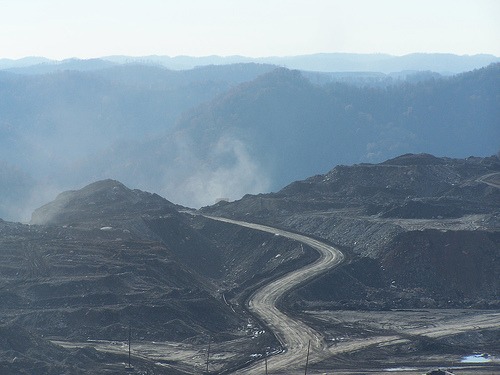
Have you ever considered the full extent of environmental damage caused by mountaintop removal mining? This practice has buried over 2,000 miles of Appalachian streams, severely disrupting aquatic ecosystems and destroying wildlife habitats. The Environmental Protection Agency has raised concerns about this method, highlighting its devastating impact on the environment.
By 2012, mountaintop removal had obliterated approximately 1.4 million acres of forest, leading to a significant loss of native hardwood forests and biodiversity. The destruction doesn’t stop there; toxic chemicals like arsenic and mercury from mining operations have seeped into local water supplies. These contaminants pose serious health risks to both wildlife and local communities.
Furthermore, the removal of vast forested areas has transformed the region from a carbon sink to a potential carbon source, contributing to climate change. This transformation could become more pronounced between 2025 and 2033. The absence of vegetation also increases the risk of flooding and landslides, as reduced water retention leads to greater runoff in these mined areas. In general, the environmental consequences of mountaintop removal are profound, affecting ecosystems, climate, and water quality on a potentially irreversible scale.
Community and Health Impacts
While the environmental consequences of mountaintop removal are undeniably severe, the toll it takes on community health is just as alarming. Imagine living in a place where the air you breathe and the water you drink can harm you. Residents near mountaintop removal sites often face this harsh reality. The health impacts are profound, with considerably higher cancer rates reported. In fact, studies link these practices to 60,000 cancer cases, resulting in a lower life expectancy compared to the national average.
These communities endure more than just long-term health issues:
- Breathing struggles: Heightened rates of respiratory diseases haunt residents due to dust and pollutants.
- Mental strain: The stress of living amidst environmental degradation weighs heavily on mental health.
- Toxic exposure: Contaminated water sources expose families to arsenic, mercury, and lead.
- Immediate dangers: Tragic incidents like Jeremy Davidson’s death from fly rock underscore the constant safety risks.
Additionally, increased flooding and landslides from deforested lands pose threats to both property and life. Living in such conditions isn’t just inconvenient—it’s hazardous. The community’s struggle for safety and health in the shadow of mountaintop removal is a stark reminder of the practice’s considerable impact.
Economic and Mining Benefits

Despite its environmental and health drawbacks, mountaintop removal mining (MTR) offers certain economic and operational benefits that fuel its continued use. This mining practice notably cuts operational costs for coal companies. By reducing the need for a large workforce, MTR minimizes salary and benefit expenses, making it a cost-effective option. The efficiency in coal retrieval with MTR is another advantage. It allows coal companies to extract coal faster and reach seams that would be difficult with traditional methods, leading to quicker project completions and fulfillment of energy demands.
However, it is essential to recognize the broader economic implications. While MTR supports energy demand by providing a steady coal supply, economic studies suggest that the practice generates more costs than revenue for states. The mechanized nature of MTR means minimal job creation, often leaving counties in Appalachia among the poorest despite the presence of mining activities. Additionally, claims of development potential from such mining sites remain largely unfounded, with only about 3% of these areas seeing any development. Hence, while MTR offers some operational benefits to coal companies, its economic impact on local communities and states is less encouraging.
Advocacy and Alternative Solutions
View this post on Instagram
Advocacy groups are stepping up to challenge the destructive practices of mountaintop removal mining and promote sustainable alternatives. Organizations like Coal River Mountain Watch and I Love Mountains are at the forefront, tirelessly raising awareness about the severe environmental impacts and promoting community resilience. Key activists, such as Judy Bonds and Maria Gunnoe, emphasize the need for public education and policy support to shift from coal to renewable energy sources.
The fight against mountaintop removal isn’t just about stopping destructive mining; it’s about creating a future where communities thrive through sustainable practices. Consider the following:
- Community activism is essential to combat the misleading narratives of “clean coal” and advocate for sustainable practices.
- Renewable energy sources like solar and wind offer viable solutions that not only reduce reliance on coal but also create jobs and support healthier communities.
- The proposed Clean Water Protection Act, although unsuccessful due to industry lobbying, highlighted the significance of legislative action.
- Public education is key to drive policy changes and foster understanding of the benefits of renewable energy.
Frequently Asked Questions
What Are the Pros and Cons of Surface Mining?
You’re considering the pros and cons of surface mining. Economically, it enhances efficiency, reducing costs and meeting energy demands. However, you can’t ignore the community effects, such as health risks from pollution and habitat destruction. Regulatory challenges arise as you balance industrial benefits with environmental protection. While surface mining cuts operational costs, it also demands strict oversight to mitigate negative impacts on ecosystems and local populations.
How Can Mountaintop Removal Be Worse for the Environment Than Strip Mining?
You might wonder why mountaintop removal is worse for the environment than strip mining. It devastates ecosystems, threatening social justice by impacting community health through toxic waste and pollutants. This practice buries streams, destroys forests, and harms biodiversity, leading to long-term economic sustainability issues. Communities face higher cancer rates and respiratory diseases, making it essential to reflect on the broader impact on both people and the planet compared to less invasive strip mining.
What Are Some Advantages of Mountaintop Removal Compared to Subsurface Mining?
You’ll find mountaintop removal offers significant advantages over subsurface mining. Its economic efficiency shines through reduced labor costs, thanks to mechanization. This streamlined process enhances productivity, enabling quicker land reclamation. While fewer jobs are created directly, indirect job creation emerges in technology and reclamation sectors. You’ll also appreciate the reduced time to access coal, meeting energy demands swiftly and ensuring a steady supply for both industrial and residential needs.
What Are the Environmental Impacts of Mountaintop Removal Mining?
You’re witnessing initially the severe environmental impacts of mountaintop removal mining. Habitat destruction is rampant, leaving wildlife homeless and ecosystems shattered. Water contamination follows, with harmful substances like sulfate and selenium poisoning streams, devastating aquatic life. Air pollution also can’t be ignored, as dust and chemicals released during blasting affect air quality for miles around. These factors collectively pose significant threats to both nature and nearby communities’ health and safety.