
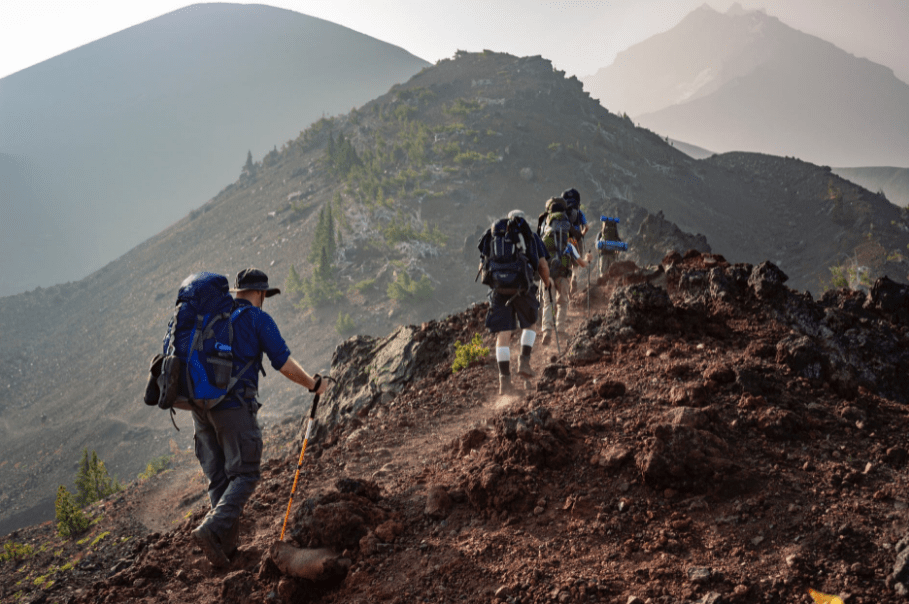
When traveling in the mountains, it’s vital to manage altitude sickness. Acclimatize by ascending gradually, ideally no more than 300 meters daily, and incorporate rest days. Stay hydrated by drinking 3-4 quarts of water per day and avoid alcohol. Monitor for symptoms like headache, nausea, and dizziness. If symptoms worsen, descend immediately and seek medical help. Medications like acetazolamide may aid acclimatization, while dexamethasone can treat severe cases. Always carry supplemental oxygen and familiarize yourself with local medical facilities. Ensuring a safe adventure means being prepared and informed about the right actions for altitude sickness challenges.
Understanding Altitude Sickness
Altitude sickness, also known as acute mountain sickness (AMS), affects many who venture to heights above 2,500 meters (8,200 feet). As you ascend to higher altitudes, the reduced oxygen levels and atmospheric pressure can lead to symptoms like headache, nausea, dizziness, and fatigue. These symptoms often appear within hours, making acclimatization essential to prevent altitude sickness.
Understanding the risk factors can help you prepare better. If you gain elevation rapidly, you increase your chances of experiencing altitude sickness. A prior history of AMS or certain preexisting medical conditions can also enhance your risk. The severity of altitude sickness tends to rise with increased altitude and rapid ascent, potentially leading to more severe conditions like High-Altitude Pulmonary Edema (HAPE) and High-Altitude Cerebral Edema (HACE).
To prevent altitude sickness, focus on acclimatization. Gradually ascending allows your body to adjust to the lower oxygen levels. Take your time and plan your trip to include rest days at intermediary altitudes. This approach helps your body adapt and greatly reduces the risk of severe altitude sickness. By understanding these factors and taking precautions, you can enjoy your mountain adventures safely.
| Category | Tips & Recommendations |
|---|---|
| Understanding Altitude Sickness | Occurs above 2,500 meters (8,200 ft) Caused by reduced oxygen and pressure Risk increases with rapid ascent |
| Recognizing Symptoms Early |
|
| Diagnosing and Assessing Risks |
|
| Effective Management Techniques |
|
| Treatment Options & Medications |
|
| Prevention Strategies |
|
| Handling Emergencies Safely |
|
| Long-Term Health Considerations |
|
Recognizing Symptoms Early
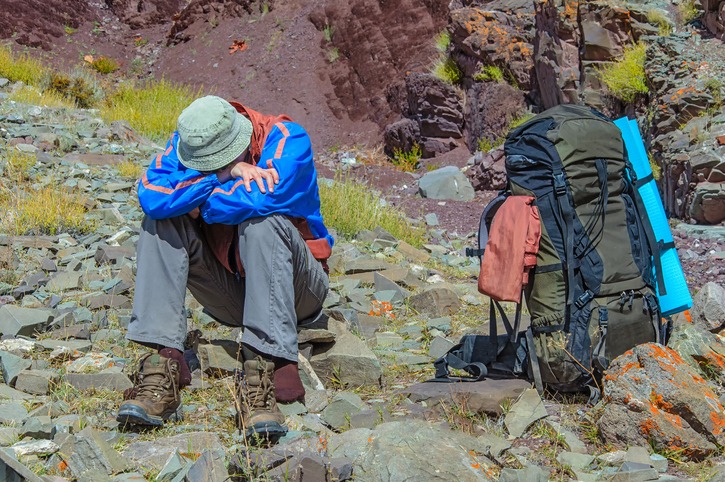
Recognizing symptoms of altitude sickness early is vital to guarantee a safe and enjoyable trip. As you ascend above 8,000 feet, your body might struggle to adapt to the decreased oxygen levels. Preliminary symptoms of altitude sickness, such as headache, nausea, fatigue, and dizziness, can appear within the initial 12 to 24 hours. It’s important to monitor symptoms closely, as mild symptoms can quickly escalate if ignored.
Here’s what to watch out for:
- Loss of appetite and insomnia: These early signs shouldn’t be dismissed.
- Severe headaches and confusion: May indicate a more serious condition.
- Loss of coordination: A significant warning sign.
- Progression to HAPE or HACE: These severe symptoms require immediate attention.
- Rapid deterioration: Signals the need for a descent to lower altitudes.
Diagnosing and Assessing Risks
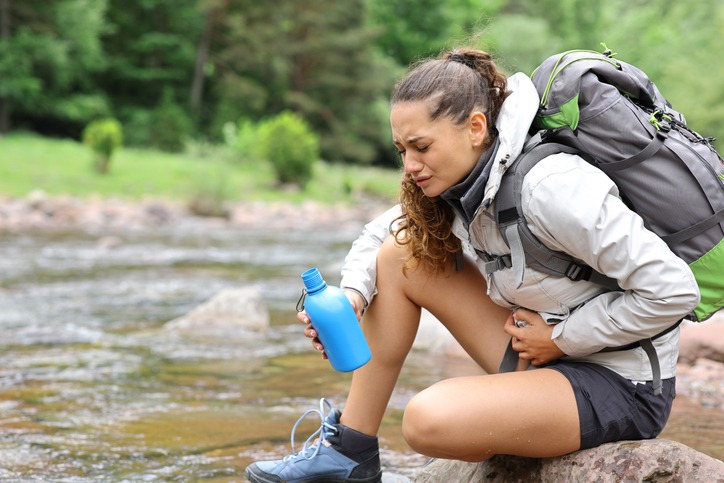
Understanding the risks and effectively diagnosing altitude sickness are essential steps in guaranteeing your safety at high altitudes. When you initially arrive, symptoms like headache, nausea, fatigue, and dizziness can appear within a day. These signs call for immediate assessment. To diagnose altitude sickness, you’ll need to evaluate your symptoms and undergo a physical examination. This includes checking your breathing, blood pressure, heart rate, and coordination to determine the severity of your condition.
Assessing risks involves understanding factors that can increase your chances of developing acute mountain sickness. Rapid ascent without proper acclimatization is a significant risk. If you’ve had altitude sickness before, you’re more susceptible. Alcohol and drug use can also contribute, as can existing medical conditions. It’s essential to be aware of these factors before heading to high altitudes.
Early recognition is key because acute mountain sickness can progress to more severe conditions like High Altitude Pulmonary Edema (HAPE) or High Altitude Cerebral Edema (HACE) if ignored. If you have preexisting health conditions, particularly heart or lung diseases, consult your healthcare provider before traveling. This guarantees you receive personalized advice, reducing your risk of complications.
Effective Management Techniques
Confronting altitude sickness requires a strategic approach to management to guarantee your safety and comfort. When traveling to higher altitudes, understanding how to effectively manage altitude sickness can make all the difference. Start by monitoring symptoms closely. If you notice confusion, severe headache, or shortness of breath, an immediate descent is vital. This is the only definitive treatment and can quickly alleviate symptoms.
Here’s how you can manage altitude sickness effectively:
- Hydration: Keep yourself well-hydrated to help your body acclimatize and alleviate mild symptoms.
- Rest: Make sure you get plenty of rest to allow your body to adjust to the higher altitude.
- Acclimatization: Ascend gradually and allow time for acclimatization, reducing the risk of sickness.
- Supplemental Oxygen: Use oxygen for temporary relief, especially in severe cases.
- Nutrition: Maintain a balanced diet to support your body’s adjustment and recovery.
Incorporating these strategies can help you manage altitude sickness effectively. While medications and medical interventions are available, focusing on preventive measures like acclimatization, hydration, and timely descent is key to minimizing risks and guaranteeing a comfortable experience at higher altitudes.
Treatment Options and Medications

While effective management techniques focus on prevention and symptom relief, sometimes altitude sickness demands more direct interventions. The primary treatment for altitude sickness is immediate descent to a lower altitude, which effectively alleviates symptoms and prevents them from worsening. If descent isn’t immediately possible, supplemental oxygen can temporarily relieve symptoms, particularly when breathing becomes difficult. This is especially significant in severe cases of altitude sickness where prompt intervention is essential to prevent complications.
Medications like acetazolamide (Diamox) are beneficial for aiding acclimatization and reducing symptoms of acute mountain sickness (AMS). By promoting faster acclimatization, acetazolamide helps your body adjust more efficiently to high altitudes. For more severe cases, such as those involving high-altitude cerebral edema (HACE), dexamethasone, a corticosteroid, may be prescribed. This medication reduces inflammation and helps avert further complications.
Another effective option for severe altitude sickness is hyperbaric therapy, which provides up to 100% oxygen. This can delay further deterioration until descent is possible, offering temporary relief. It’s vital to recognize altitude sickness symptoms early and seek appropriate treatment promptly to guarantee a safe and enjoyable mountain experience.
Strategies for Prevention
Gradual acclimatization is vital when planning high-altitude adventures, as it greatly reduces the risk of altitude sickness. To ascend gradually, limit your elevation gain to about 300 meters per day once you’re above 3,000 meters. Incorporate acclimatization days for every 1,000 meters gained to let your body adjust. Staying hydrated is another important strategy; aim for 3-4 quarts (about 2.8-3.8 liters) of water daily to combat dehydration, which can worsen altitude sickness symptoms. It’s wise to avoid alcohol, sedatives, and intense exercise during the initial 48 hours at high altitudes to minimize your risk.
Consider these strategies to prevent altitude sickness:
- Ascend gradually: Limit elevation gain and include acclimatization days.
- Stay hydrated: Drink 3-4 quarts of water daily.
- Avoid alcohol: Steer clear of alcohol and sedatives at the outset.
- Preventive medications: Consider medications like acetazolamide.
- Monitor physical condition: Recognize mild symptoms like headaches or dizziness and descend immediately if needed.
Monitoring your physical condition is vital. If you experience mild symptoms such as headache, nausea, or dizziness, don’t hesitate to descend immediately. Being proactive in these ways greatly lowers your risk of altitude sickness, ensuring a safer and more enjoyable experience.
Handling Emergencies Safely
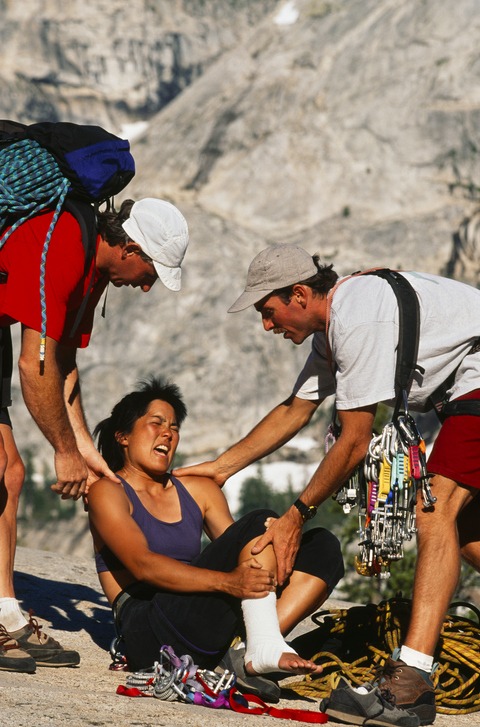
When facing a high-altitude emergency, quick and informed action is vital to safety. Altitude sickness can rapidly escalate, so recognizing severe symptoms like shortness of breath, confusion, and decreased coordination is imperative. These require immediate descent and medical attention. Establish a buddy system for monitoring each other’s symptoms. Timely intervention can prevent the progression of altitude sickness to more severe forms like HAPE (High Altitude Pulmonary Edema) or HACE (High Altitude Cerebral Edema).
If symptoms worsen, descend at least 500 to 1,000 meters immediately. Descent is the most effective treatment for altitude sickness. Be prepared for emergencies by familiarizing yourself with local medical facilities and having access to supplemental oxygen. Supplemental oxygen can alleviate severe symptoms until descent is possible.
Always carry a primary aid kit equipped with medications like acetazolamide and dexamethasone. Acetazolamide can help with managing mild symptoms, while dexamethasone reduces inflammation in severe cases. Knowing how to use these medications is vital in emergencies. By preparing adequately and responding promptly, you can handle altitude sickness safely and effectively, ensuring your mountain adventure remains enjoyable and safe.
Long-Term Health Considerations
Improving your long-term health can greatly reduce the risk of altitude sickness. Preparing for high altitudes involves more than just immediate adjustments; it requires strategic long-term planning. Regular cardiovascular exercise improves your complete fitness, promoting better acclimatization and lowering the risk of altitude sickness on future trips. If you have pre-existing health conditions, such as heart or lung issues, consult your healthcare provider for personalized guidance.

Consider these strategies:
- Exercise regularly to elevate your fitness and improve acclimatization.
- Understand your health conditions and plan accordingly by consulting healthcare professionals.
- Practice gradual acclimatization via training trips to higher elevations.
- Research local medical care and emergency oxygen availability in advance.
- Educate yourself and others about altitude sickness symptoms for timely intervention.
Gradual acclimatization is crucial. Training trips at progressively higher elevations can help your body adapt, reducing susceptibility to altitude sickness. Knowing the location of medical care facilities and the availability of emergency oxygen can provide peace of mind and guarantee timely intervention if symptoms arise. Educate both yourself and your travel companions about altitude sickness symptoms, improving safety and preparedness for mountain adventures. By implementing these considerations, you’re setting the stage for healthier, safer high-altitude experiences in the future.
Frequently Asked Questions
How to Prevent Altitude Sickness When Traveling?
To prevent altitude sickness, focus on hydration strategies by drinking plenty of water. Plan a gradual ascent in your travel plans to allow your body to adjust. Follow acclimatization tips, like incorporating rest periods and sticking to a balanced diet. Practice breathing techniques to improve oxygen intake. Consider altitude training to improve fitness levels. Discuss medication options with a healthcare provider to boost your preparedness. These steps can help you enjoy your expedition.
What Is the Fastest Way to Adjust to Altitude Sickness?
To quickly adjust to altitude sickness, recognize symptoms early. Prioritize hydration, as it’s essential. Gradually ascend to allow for better acclimatization. Incorporate rest intervals to manage stress on your body. Practice breathing exercises to improve oxygen intake. Consider altitude medication like acetazolamide. Maintain a balanced diet to support your body’s needs. Your fitness level and environmental factors play significant roles, so prepare accordingly to minimize discomfort and enrich your mountain experience.
How Do Mountaineers Deal With Altitude Sickness?
You manage altitude sickness by using mountain acclimatization strategies like gradual ascent methods, limiting elevation gain each day. Focus on altitude training techniques and physical conditioning to improve performance. Don’t underestimate hydration importance and diet adjustments, which help maintain energy levels. Recognize symptoms early and utilize rest periods for recovery. Supplemental oxygen use is critical at high altitudes. Mental preparedness and monitoring through a buddy system guarantee safety and effective symptom recognition.
How Do You Prepare Your Lungs for High Altitude Mountains?
To prepare your lungs for high altitude, focus on lung exercises and breathing techniques. Gradual ascent is vital for altitude acclimatization, allowing your body to adjust. Enhance your physical fitness with altitude training and guarantee hydration importance by drinking plenty of water. Consider herbal remedies and oxygen supplementation if needed. Stay environmentally aware and consult a professional for guidance. These steps help your lungs cope better with thinner air.