

Uncover Olympic National Park‘s extraordinary blend of ecosystems, tucked in Washington’s northwest corner. Traverse through temperate rainforests and gaze up at towering old-growth trees teeming with wildlife. Investigate subalpine meadows and alpine slopes, where unique plant species bloom. Marvel at the park’s extensive rivers and crystal-clear lakes, thriving with life and lively salmon.
Wander along its rugged 70-mile coastline, revealing tidepools filled with marine creatures. Each season reveals distinct scenery and adventures, from spring wildflowers to winter’s coastal serenity. You’ll encounter breathtaking landscapes and abundant wildlife. Learn what makes this park a haven for natural beauty and diversity.
| Category | Highlights |
|---|---|
| Overview | Located in northwest Washington; known for its extraordinary ecosystem diversity: temperate rainforests, alpine meadows, glacier-capped mountains, and a rugged coastline. Seasonal beauty and abundant wildlife. |
| Ecosystem Diversity | 1,100+ plant species and numerous animals; temperate rainforests, alpine regions, and marine tidepools; endemic species in high elevations; shaped by microclimates and seasonal change |
| Olympic Mountains | Continuously growing range with montane forests, alpine slopes, and glaciers; endemic species; dramatic views from Hurricane Ridge; influence weather patterns and support biodiversity |
| Rivers & Lakes | Hoh River and Lake Crescent offer crystal-clear waters; habitat for salmon and otters; seasonal salmon runs attract birds and mammals; ideal for kayaking, fishing, and nature watching |
| Forests | Home to vast temperate rainforests and old-growth trees; support 62 mammal species; biodiversity thrives under dense canopies; dynamic and seasonally changing ecosystems |
| Coastal Features | 70 miles of rugged coast; tidepools at Kalaloch Beach 4 & Hole in the Wall; marine life: starfish, sea anemones, crabs; great for photography and wildlife viewing; seals and seabirds common |
| Visitor Information | Access via Highway 101 or ferry from Seattle; visitor centers in Port Angeles, Hurricane Ridge, and Hoh Rainforest; accommodations: lodges, cabins, campgrounds; check alerts online before visiting |
| Seasonal Highlights | Spring: Rainy forests, wildflowers, coastal exploration Summer: Dry weather, wildlife viewing, full trail access Fall: Colorful foliage, salmon runs, fewer crowds Winter: Snowy mountains, tranquil coastlines |
| Wildlife Watching | 62 mammal species including elk, black bears, mountain goats, bobcats; top spots: Hurricane Ridge, Lake Quinault, Hoh Rainforest; birdwatching: bald eagles, herons; join guided tours for insights and conservation education |
| FAQs | Three Ecosystems: Temperate rainforest, alpine regions, coastline Why It’s Special: Biodiversity, geology, World Heritage status, cultural significance Grizzly Bears? No grizzlies, but black bears are common 6 Key Facts: 922,651 acres; 62 mammal species; 600+ hiking miles; UNESCO site; temperate rainforest; founded in 1938 |
Ecosystem Diversity
Despite its relatively compact size, Olympic National Park boasts a remarkable array of ecosystems that captivate any nature enthusiast. Here, you’ll find everything from lush temperate rainforests to subalpine meadows, each contributing to the park’s impressive ecosystem diversity. The temperate rain forest, with its dense canopy and rich undergrowth, offers a unique glimpse into a world teeming with life. These rainforests are home to moss-covered trees and ferns, creating a lively habitat that supports countless organisms.
The park’s habitat diversity truly stands out, as it supports over 1,100 plant species and numerous animal species. You’ll encounter an array of life forms, each adapted to their specific environment. This incredible diversity is not just a visual feast but a crucial component of the park’s ecological health. Endemic species thrive here, particularly in high elevation areas where isolation has led to unique adaptations.
Environmental factors like climate and seasonal changes constantly reshape these ecosystems, influencing plant and animal interactions. As you investigate, you’ll see how dynamic ecosystems provide essential resources for wildlife, including food, shelter, and breeding grounds. This underlines the significance of conservation efforts to maintain such a rich tapestry of life.
Olympic Mountains

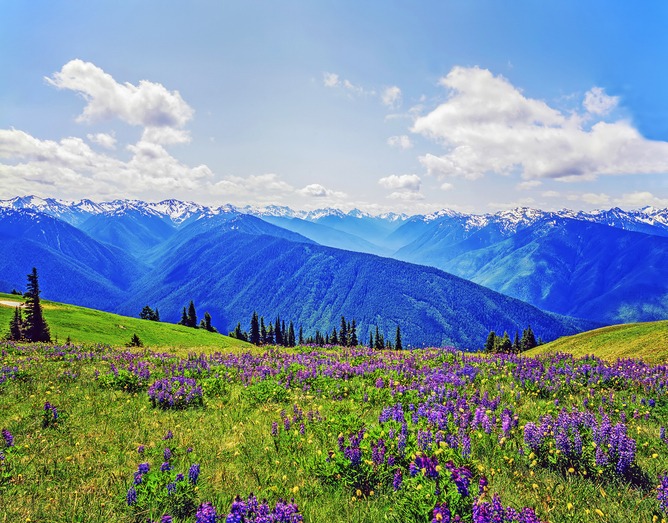
In the heart of Olympic National Park, the Olympic Mountains stand as a symbol of nature’s grandeur and complexity. These mountains are not just a visual spectacle but a reflection of diverse ecosystems. From montane forests that blanket the lower slopes to rocky alpine regions and glacier-capped summits, each area offers unique habitats supporting rare flora and fauna. The Olympic Mountains are unique because they’re still growing annually due to geological processes, unlike many mountain ranges that are slowly eroding away.
The mountains are home to high elevation ecosystems where you’ll find endemic species that exist nowhere else on Earth, contributing greatly to the park’s rich biodiversity. As you investigate, scenic vistas such as those from Hurricane Ridge will captivate you with sweeping views of this majestic range. These views are a photographer’s dream and a hiker’s paradise.
- Diverse ecosystems: Montane forests, alpine slopes, glacier summits
- Endemic species: Unique flora and fauna found nowhere else
- Scenic vistas: Iconic views from Hurricane Ridge
The Olympic Mountains also influence the weather patterns, creating microclimates that further enrich the ecological interactions within Olympic National Park. It’s a place where nature’s beauty and complexity come vividly to life.
Rivers and Lakes
Just as the Olympic Mountains shape the landscape with their towering peaks, the rivers and lakes of Olympic National Park carve energetic pathways through its wilderness. These waterways form intricate networks of aquatic ecosystems that support a wide array of plant and animal life. When you investigate the park, you’ll find that its rivers and lakes are more than just scenic backdrops; they’re lively habitats teeming with life.
The park’s rivers, like the Hoh River, and lakes, such as the stunning Lake Crescent, are famous for their crystal-clear waters. These bodies of water are crucial habitats for salmon, whose spawning activities are crucial to the aquatic food web. As you visit during the fall, you might witness the spectacular salmon runs, a phenomenon that attracts not only humans but also otters and diverse bird species. These creatures rely on the park’s hydrological features for survival, making them perfect spots for birdwatching and otter sightings.
Seasonal changes bring dynamic shifts to these ecosystems, influencing wildlife behavior and plant growth. Regardless of whether you’re kayaking on Lake Crescent or fishing along the Hoh River, Olympic National Park’s rivers and lakes offer endless opportunities to connect with nature.
Forests
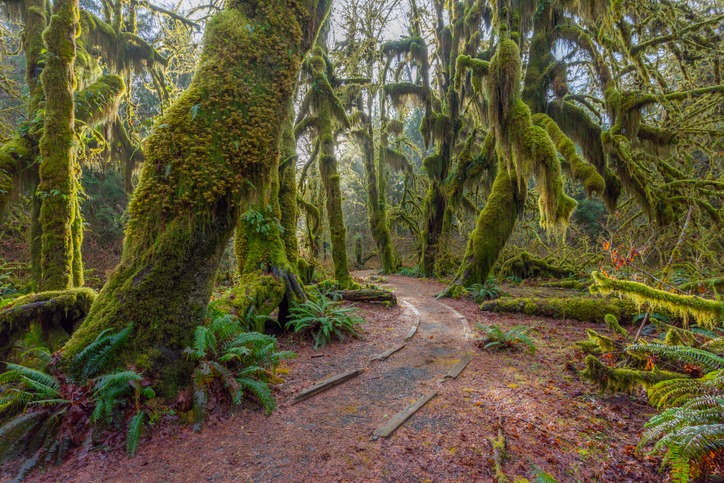
A sense of wonder envelops you as you step into the lush forests of Olympic National Park, home to one of the largest blocks of temperate rainforests in the lower 48 states. Established in 1938, the park was created to protect its stunning old-growth forests, where towering trees stand as silent witnesses to history. As you investigate, you’ll notice the unique ecological characteristics that define each forest area, contributing to the park’s exceptional biodiversity.
The dense canopy above you teems with life, supporting 62 mammal species that depend on these diverse ecosystems for survival. From the smallest of creatures to larger mammals, each relies on the forest for foraging and hunting opportunities. Conservation efforts play a vital role in preserving these habitats, safeguarding endemic species and allowing the natural processes of the forest to flourish.
- Uncover the temperate rainforests with their rich, green abundance.
- Marvel at the old-growth forests, some trees towering over 200 feet.
- Experience the dynamic biodiversity that changes with the seasons.
Every visit to these forests reveals something new, reflecting the dynamic nature of this ever-transforming environment. Welcome the magic of Olympic National Park’s forests and their enchanting stories.
Coastal Features
Along the rugged expanse of Olympic National Park’s coastline, you’ll find an enchanting blend of sandy beaches and jagged rocky islands teeming with life. Spanning 70 miles, this diverse coastline offers a breathtaking array of ecosystems shaped by continuous tidal changes. These shifting tides create tidepools, unique microhabitats brimming with marine life.
Explore Kalaloch Beach 4 and Mora’s Hole in the Wall, both renowned for abundant tidepooling opportunities. Here, you can observe lively starfish, delicate sea anemones, and scuttling crabs, each species adapting to the rhythm of the sea. The dynamic tidal changes reveal these fascinating marine creatures, offering you a rare glimpse into their underwater world.
The coastline also supports an array of wildlife, making it a prime spot for photography and wildlife viewing. You might spot seals and sea lions lounging on rocks or catch a glimpse of seabirds soaring above. These coastal habitats are critical for these species, showcasing the park’s rich biodiversity.
As you traverse from sea level to alpine meadows, you’ll witness dramatic elevation changes that highlight the park’s geological history. This varied terrain, combined with the lively marine life, makes Olympic National Park’s coastline a must-see destination.
Visitor Information
Situated in the northwest corner of Washington State, Olympic National Park is a diverse and accessible destination waiting for you to examine. Regardless of whether you’re driving via Highway 101 or taking a scenic ferry from Seattle to Bainbridge Island, you’re in for a treat. Start your expedition at one of the park’s informative visitor centers in Port Angeles, Hurricane Ridge, or Hoh Rainforest. These centers are your go-to spots for maps, trail information, and expert advice to enhance your visit.
Before heading out, always check the park’s website for current alerts. Weather conditions can change rapidly, and trail closures might impact your plans. Staying updated guarantees a safe and enjoyable experience.
When planning your stay, consider the variety of accommodation options available. From cozy park lodges and rustic cabins to scenic campgrounds, there’s something for every preference. Remember, if you’re visiting during the peak summer months, it’s wise to book in advance to secure your spot.
- Visitor Centers: Port Angeles, Hurricane Ridge, Hoh Rainforest
- Current Alerts: Check online for weather and trail updates
- Accommodation Options: Lodges, cabins, campgrounds
Get ready to investigate the breathtaking beauty Olympic National Park offers!
Seasonal Highlights
As you prepare to investigate Olympic National Park, the changing seasons offer distinct experiences that showcase the park’s natural beauty. In spring, the rainy season breathes life into the lush rainforests, creating a tapestry of lively wildflowers and cascading waterfalls. It’s the perfect time for coastal investigation along the park’s 70 miles of pristine coastline, where you can witness the dynamic interplay between land and sea.
Come summer, the park basks in dry weather, revealing clear trails that invite you to investigate and possibly encounter diverse wildlife. Deer, elk, and playful otters are just some of the creatures you might spot while trekking through meadows bursting with blooming wildflowers. The trails are at their best, offering panoramic views and a chance to fully appreciate the park’s varied landscapes.
Fall transforms the park with a spectacular display of colorful foliage. The crowds thin, allowing for a more intimate experience. You can marvel at the salmon making their way upstream in the park’s rivers and streams. Winter blankets the park in snow, turning it into a serene wonderland while the snow-free coastline offers unique winter investigation opportunities without the chill.
Wildlife Watching
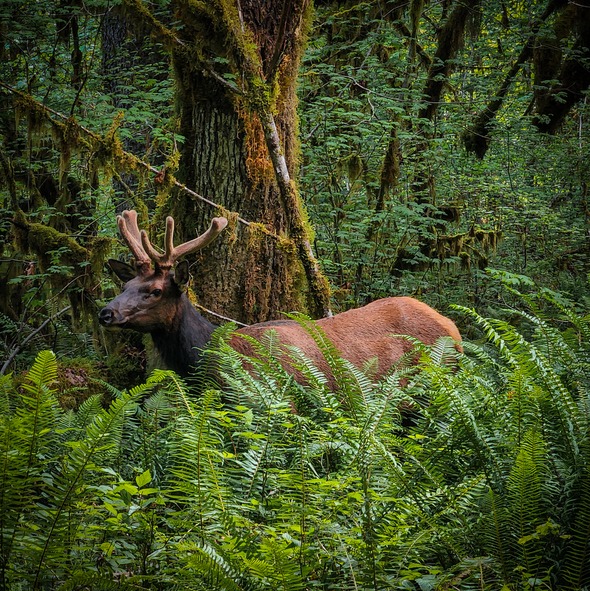
With an incredible diversity of wildlife, Olympic National Park offers fantastic opportunities for nature enthusiasts. You’ll find yourself captivated by the sheer variety of species here, with 62 mammal species like black bears, mountain goats, and Roosevelt elk providing prime wildlife viewing. Head to Hurricane Ridge for a chance to spot mountain goats and deer, or investigate the lush Hoh Rainforest, home to the elusive Northern Spotted Owl and bobcats.
Don’t miss these highlights:
- Hurricane Ridge: Spot mountain goats and deer.
- Lake Quinault: Ideal for birdwatching opportunities, featuring bald eagles and blue herons.
- Guided Wildlife Tours: Learn about the park’s ecosystems and responsible tourism.
Birdwatchers will be thrilled by the park’s lively avian life. Lake Quinault stands out as a hotspot for birdwatching opportunities, where bald eagles and blue herons glide gracefully overhead. Seasoned watchers and newcomers alike will find the fall season particularly rewarding, as salmon spawning attracts a host of predators, enriching the entire ecosystem.
Consider joining guided wildlife tours to gain deeper insights into the park’s unique ecosystems. These tours not only improve your wildlife viewing experience but also support responsible tourism and conservation efforts, ensuring the park remains a sanctuary for all its inhabitants.
Frequently Asked Questions
What Are the Three Ecosystems in Olympic National Park?
You’re exploring Olympic National Park, where you’ll uncover three distinct ecosystems: temperate rainforests, alpine regions, and coastal areas. In the rainforest, you’ll wander along lush trails surrounded by towering trees and colorful vegetation. As you ascend to the alpine meadows, you’ll encounter unique flora and fauna adapted to the elevation. Don’t miss the coastal area, where dynamic tides reveal sandy beaches and rocky tide pools, teeming with diverse marine life.
Why Is Olympic National Park so Special?
You find Olympic National Park special because it showcases incredible biodiversity importance with its diverse ecosystems. Its unique geology, featuring glacier-capped mountains and rugged coastlines, draws you in with awe. The park’s cultural heritage is rich, offering a glimpse into the past with its history intertwined with the land. You can’t help but appreciate how these elements create a breathtaking natural wonderland, making it a must-visit destination for nature enthusiasts like you.
Are There Grizzly Bears in the Olympic National Park?
You’re probably wondering if grizzly bears roam Olympic National Park. Currently, they’re not found there, as their habitats were fragmented, and they faced historical hunting pressures. Instead, you’ll encounter black bears, which thrive in the park. When exploring, remember crucial bear safety tips, like storing food securely and staying alert. For wildlife viewing, keep a respectful distance to guarantee your safety and contribute to the park’s conservation efforts.
What Are 6 Facts About the Olympic National Park?
When you visit Olympic National Park, you’ll find diverse ecosystems, like temperate rainforests and alpine mountains. The park spans 922,651 acres and is home to 62 mammal species. As a World Heritage Site, it plays an essential role in wildlife conservation. Enjoy over 600 miles of hiking trails, but remember visitor tips: pack layers for changing weather and respect wildlife. Established in 1938, it’s a natural wonder you can’t miss.