

Skeleton racing is an exhilarating sport that sends you head-first down a 1.5 km icy track on a small sled, reaching thrilling speeds of up to 93 mph. Your goal is to maintain the fastest time across four runs using only your body to steer. Originating in the 1880s, skeleton boasts a rich history and returned to the Olympics in 2002. With specialized gear like steel sleds and spiked shoes, you’ll need balance and precise technique. If you’re keen to join the action, contacting your national federation can be your initial step. There’s so much more to uncover about this intense sport.
| Aspect | Description |
|---|---|
| Overview | Head-first racing down a 1.5 km icy track on a small sled. |
| Speeds | Up to 93 mph (approximately 150 km/h). |
| Equipment | Steel and fiberglass sled (30-48 inches), helmet, spiked shoes, aerodynamic race suit. |
| Olympic History | Debuted in 1928, removed after 1948, reinstated in 2002 (men’s and women’s events). |
| Race Format | Four runs; fastest combined time wins. |
| Weight Limits | Men: 115 kg (athlete + sled); Women: 92 kg (athlete + sled). |
| Technique | Powerful push-start, precise upper-body steering, relaxation to maintain speed. |
| Notable Athletes | Lizzy Yarnold (GB), Shelley Rudman (GB), Noelle Pikus-Pace (USA), Martins Dukurs (Latvia). |
| Leading Nations | Great Britain (9 Olympic medals), USA (8 Olympic medals), Latvia, Germany, Canada. |
| How to Participate | Contact national federations; introductory “taxi rides” and structured programs available. |
Understanding the Basics
In relation to understanding the basics of skeleton, you’ll find that it’s all about speed and precision. As a participant, you’ll race head-first down a 1.5 km icy track on a small sled. Known as a slider, your goal is to achieve the fastest combined time over four runs. Reaching speeds of 80 mph and sometimes exceeding 93 mph, the key to success lies in your ability to steer efficiently using upper body movements. This requires a balance between tension and relaxation, vital for maintaining ideal speed.
Your sled is a significant component, crafted from heavy steel and fiberglass, with dimensions between 30 to 48 inches. It’s important that your sled adheres to the weight limits—115kg for men and 92kg for women. Safety is paramount in skeleton; you’ll wear a helmet and spiked shoes to grip the ice, while your race suit, made of durable synthetic fabric, improves aerodynamics during your high-speed descent.
Mastering skeleton involves understanding these basics and honing your technique to navigate the icy track with precision and speed, ultimately aiming to cross the finish line faster than any competitor.
History of Skeleton
As you investigate the history of skeleton, you’ll uncover its thrilling origins in the 1880s Swiss Alps, where English soldiers created the sport for some winter excitement. What began as a pastime quickly evolved when, in 1892, an Englishman crafted the initial metal sled. This innovation possibly led to the name “skeleton,” either due to the sled’s skeletal appearance or through a translation error. Regardless of its etymology, the sport captured the adventurous spirit of its time.
By 1923, skeleton had garnered enough interest to warrant the formation of the International Bobsleigh and Skeleton Federation. This organization was tasked with overseeing the sport’s governance and development globally. Skeleton made its Olympic debut in 1928, showcasing its thrilling, fast-paced nature. Despite its initial success, the sport was discontinued after the 1948 Games due to safety concerns, leaving enthusiasts yearning for its return.
The sport lay dormant on the Olympic stage until 2002, when it made a triumphant comeback, this time including both men’s and women’s competitions. Today, skeleton continues to captivate audiences worldwide, blending speed, skill, and a rich history that echoes its origins in the snowy Swiss Alps.
Olympic Journey
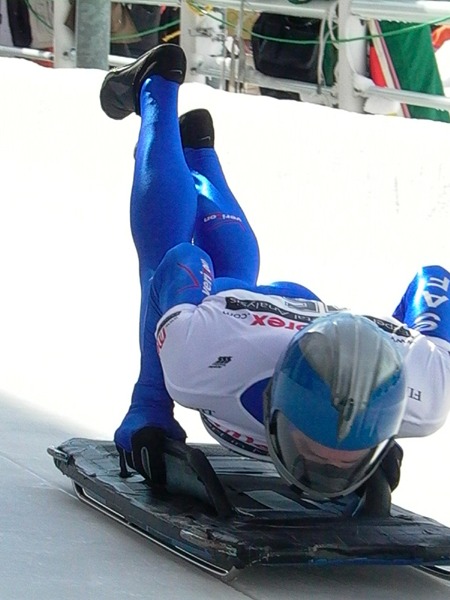
Skeleton’s Olympic voyage is a tale of excitement, hiatus, and resurgence. It made its grand debut at the 1928 Winter Olympics. However, after the 1948 Games, the sport vanished from the Olympic scene, only to make a triumphant return in 2002 as a permanent fixture. Since then, both men’s and women’s skeleton competitions have showcased the sport’s growth and inclusivity, attracting athletes from around the globe.
In skeleton, you’ll find athletes racing head-first on sleds down icy tracks, with distances ranging from 1,200m to 1,500m. The thrill of the race, combined with the skill required to navigate the course, makes it a fascinating event to watch and participate in. The competition format is straightforward: four timed runs determine the winner, with the fastest combined time securing victory.
Great Britain leads the pack with nine Olympic skeleton medals, closely followed by the USA with eight. These nations continue to dominate the sport, reflecting a rich history and commitment to excellence in skeleton. As you examine the Olympic voyage of skeleton, you’ll witness the evolution and dedication that have driven its success in the world of winter sports.
Rules and Scoring
Understanding the rules and scoring system in skeleton can improve your appreciation of this exhilarating sport. In skeleton, the race is all about time. Over four runs, your goal is to achieve the fastest total time. Each second counts, and every millisecond can make a difference between victory and defeat.
An essential rule is the weight limit, which includes both you and your sled. For men, the combined weight must not exceed 115 kg, while for women, it’s capped at 92 kg. This guarantees a level playing field and emphasizes skill over sheer mass. Steering your sled requires precise upper body movements and strategic head positioning to navigate through the icy course.
Maintaining control isn’t just about steering; relaxation and balance are key to sustaining speed. The smoother your run, the less friction you’ll create, which means faster times. The initial run sets the tone for the entire competition. It’s your chance to build momentum, giving you a competitive edge for the remaining runs. Each run builds on the last, making every moment vital. By grasping these rules and strategies, you’ll gain a deeper understanding and enjoyment of skeleton.
Essential Equipment

While speed and skill are vital in skeleton, having the right equipment is just as significant. The main piece of gear you’ll need is the skeleton sled, constructed from heavy steel and fiberglass. Its length ranges from 30 to 48 inches, allowing you to choose based on personal preference. The sled glides on ice using steel runners and includes bumpers for safety during those intense, high-speed descents.
To guarantee a strong start, you’ll wear smooth skin gloves and spiked shoes. These are designed to give you maximum traction during the initial push, critical for building that all-important speed. Once you’re on the sled, your race suit, made from durable synthetic fabric, comes into play. It minimizes air resistance, enhancing your aerodynamics as you zoom down the track.
Safety is paramount in skeleton, especially since speeds can exceed 93 mph. That’s where your helmet comes in. It’s mandatory and serves as key protection against potential head injuries, allowing you to focus on the thrill of the race. With the right equipment, you’re well on your way to mastering the exhilarating sport of skeleton.
Techniques and Strategy
In mastering the techniques and strategy of skeleton, you’ll need to focus on both the primary push and the subsequent ride. The push start is where you build essential momentum. Aim to reach around 24 mph over the initial 40 meters. It’s all about explosive power and technique here. After the push, you’ll lie down on the sled for the rest of your run, where relaxation is key. While it might seem counterintuitive, staying relaxed helps maintain speed and stability. Tension in your body can lead to wobbles, slowing you down.
Steering the sled effectively requires subtle yet precise upper body movements and body angling. You’ll need to master these techniques to navigate the icy track while maintaining high speeds. Focus on cornering, as the strongest G-forces hit during these turns. Proper cornering strategies will help you preserve your momentum through each curve.
Additionally, consider the weight strategy. Men must stay within a combined weight limit of 115kg and women at 92kg, influencing sled design and performance tactics. Balancing weight and aerodynamics is vital, ensuring you have both the speed and control needed to excel.
Notable Athletes
View this post on Instagram
Prominent athletes have shaped the sport of skeleton, showcasing extraordinary talent and determination on the icy tracks. Among the most notable athletes is Lizzy Yarnold from Great Britain. She made history by clinching victory in the World Cup series and capturing a gold medal at the Sochi 2014 Olympics. Her achievements solidify her status as a top competitor in the sport.
Another formidable name in skeleton is Shelley Rudman, also hailing from Great Britain. As the current world champion, Rudman continues to exemplify the UK’s dominance in this thrilling winter sport. Great Britain’s athletes have collectively secured the most Olympic medals in skeleton history, amassing a total of nine.
View this post on Instagram
From across the Atlantic, Noelle Pikus-Pace of the USA stands out as a significant competitor. Her multiple World Cup wins leading up to the Sochi Olympics demonstrate her skill and dedication to the sport.
Latvia’s Martins Dukurs is another athlete to watch. Known for his consistent performance, he claimed silver at the 2010 Olympics and remains a favorite for gold in subsequent competitions. These notable athletes have raised skeleton to new heights, inspiring both fans and aspiring competitors worldwide.
Global Competitors
The global stage of skeleton racing is fiercely competitive, with athletes from several countries showcasing exceptional talent. You’ll find that the USA has made a significant mark in the skeleton world, securing 8 medals across different competitions. Noelle Pikus-Pace is a standout competitor, having clinched multiple World Cup victories this season alone. Her speed and precision on the ice make her a force to reckon with.
Latvia, too, is a powerhouse in skeleton, largely thanks to Martins Dukurs. He’s consistently among the top contenders, having previously earned a silver medal at the 2010 Olympics. His ability to navigate the track with precision and speed makes him a favorite for gold. In fact, Latvia’s success in skeleton has put them on the map in international competitions.
Great Britain holds the record for the most Olympic medals in skeleton, with a total of 9. Their athletes have continually excelled, demonstrating skill and grit on the icy tracks. Other countries that have found success on the skeleton circuit include:
- Canada: Known for its strong winter sports tradition.
- Germany: Consistently competitive in sliding sports.
- Latvia: Home to top contender Martins Dukurs.
- USA: Rich history of medal-winning performances.
Getting Involved
If you’re enthusiastic to plunge into the thrilling world of skeleton racing, the primary step is reaching out to your country’s National Federation. This organization, often under the umbrella of the Bobsleigh and Skeleton Federation, manages sliding sports and can provide you with all the necessary information on how to participate. Many federations offer “taxi rides,” which are taster experiences on the tracks. These rides give beginners a firsthand feel of the sport’s adrenaline rush without the commitment of full training.
Once you’ve had your initial taste, you can look into structured sliding opportunities. National programs are designed to help newcomers like you learn skeleton with the right guidance and coaching. These programs guarantee you receive proper training and adhere to vital safety protocols, key for a safe and enjoyable experience.
To get started, visit your local federation’s website. There, you’ll find track maps, pictures, and contact details that will help you connect with nearby sliding facilities. Remember, taking these primary steps will pave the way for your adventure into skeleton racing, making sure you’re well-prepared and informed as you commence on this exhilarating sport.
Frequently Asked Questions
What Is the Winter Sport of Skeleton How Fast Do They Go?
When you plunge into the exciting winter sport of skeleton, you’re racing head-first down an icy track on a small sled, reaching exhilarating speeds. You typically hit around 80 mph, but some competitors break speed records, exceeding 93 mph. As you navigate the course, which ranges from 1,200m to 1,500m, your upper body controls the sled through tight turns. The thrill is in maintaining speed and balance while experiencing intense G-forces.
How to Play Skeleton Winter Sport?
To play skeleton, you’ll start by mastering the 40-meter push with spiked shoes, ensuring a powerful takeoff. Lie face down on your sled, using precise upper body movements to steer. Crucial equipment includes your sled, an aerodynamic race suit, helmet for safety, and smooth skin gloves. Navigate the 1,200 to 1,500 meter icy track, aiming to maintain control and speed. Remember, your weight, including the sled, mustn’t exceed competition limits.
Why Was the Skeleton Removed From the Olympics?
You’re curious about why skeleton was removed from the Olympics. In Olympic history, it got cut after the 1948 Games due to safety concerns. People thought the sport’s high-speed nature was too risky for athletes. Despite its absence, skeleton evolved and gained international popularity. Eventually, advancements in safety measures and equipment led to its resurgence in 2002, aligning with efforts to modernize and diversify the Winter Olympics program.
What Age Is Skeleton Sport For?
You might wonder about maturity requirements for skeleton sport. Typically, you can start around maturity 16 with proper guidance. National federations often offer youth programs to spark early interest. While physical fitness and coordination are essential, they vary among teens. Some elite athletes begin in their late teens, often shifting from other sports. Remember, maturity limits differ by country, so check with local federations for specific details and programs available.