

Prevent foot pain on hikes by properly preparing and caring for your feet. Gradually increase walking distances and keep toenails trimmed. Choose well-fitting hiking boots with quality insoles, and don’t forget to break them in. Opt for moisture-wicking socks or wear two pairs to reduce friction. During hikes, address any discomfort immediately, switch to dry socks if needed, and keep feet aired out during breaks. After hiking, raise and soak your feet while applying a moisturizing cream. Investing in the right products and maintaining a foot care routine can make all the difference. Investigate expert tips to keep every hike comfortable.
| Category | Tips | Purpose/Benefit |
|---|---|---|
| Foot Preparation Techniques | Gradually increase walking distance, trim toenails straight, soak feet in Epsom salts, moisturize with Trail Toes | Builds endurance, prevents blisters, improves foot flexibility |
| Choosing Proper Footwear | Select boots with toe space & ankle support, break in boots (20–30 miles), use supportive insoles | Prevents blisters, improves comfort, and minimizes fatigue |
| Selecting the Right Socks | Use moisture-wicking or merino wool socks, consider sock layering, avoid cotton | Reduces moisture, friction, and blister risk |
| On-Trail Foot Care | Switch wet socks, air out feet during breaks, apply tape to hot spots, use gaiters | Keeps feet dry, prevents irritation, and avoids blisters |
| Preventing Blisters & Hot Spots | Apply Leukotape/moleskin before hikes, wear two-layer socks, inspect feet regularly | Stops blisters from forming and minimizes trail discomfort |
| Post-Hike Recovery | Remove boots/socks, soak feet in cold water, elevate feet, apply moisturizing cream | Reduces swelling, improves circulation, keeps skin healthy |
| Essential Foot Care Products | Moisture-wicking socks, foot powder, Leukotape, HikeGoo, moleskin, hydrocolloidal pads | Prevents irritation, absorbs moisture, and cushions hot spots |
| Expert Insights | Choose boots ½ to 1 size up, pre-condition feet, hydrate well, elevate feet during breaks | Reduces friction, improves skin resilience, supports overall foot health |
Foot Preparation Techniques
When you’re preparing for a hike, getting your feet ready is vital to avoid pain and discomfort on the trail. Start by focusing on foot preparation techniques designed to build strength and endurance. Gradually increase your walking distances about one to two weeks before your hike. This helps your feet adapt to longer treks and prepares them for the demands of the trail.
Blister prevention is important, so trim toenails straight across to avoid ingrown nails that can cause discomfort. Making sure they’re even with your toe tips improves comfort. Choose moisture-wicking socks to keep your feet dry and reduce friction, which is key in avoiding blisters.
Before hitting the trail, soak your feet in Epsom salts for 20 minutes. This relaxes muscles and helps reduce swelling. To maintain foot health, keep your feet moisturized and pliable with a conditioning product like Trail Toes. Apply it before bed to prevent skin irritation and manage potential hot spots. This proactive approach guarantees your feet remain comfortable and blister-free, promoting a more enjoyable hiking experience. By following these steps, you’ll be well-prepared for your hiking adventure.
Choosing Proper Footwear
Before you hit the trail, selecting the right footwear is vital for a comfortable hiking experience. Hiking boots with a proper fit are key in preventing blisters and ensuring good foot health. Look for boots that allow some toe movement while being snug enough to stop heel slippage. This balance helps you avoid blisters and discomfort. Opt for high-top hiking boots if you’re tackling rugged terrains, as they provide excellent ankle support and protect against debris, reducing the risk of injuries.
When choosing your hiking boots, consider going a half to a full size larger than your regular shoe size. This extra space accommodates foot swelling during long hikes, ensuring a comfortable fit throughout your adventure. To further improve comfort, invest in quality insoles like those from Superfeet. They provide better arch support and cushioning, minimizing foot fatigue and potential foot problems over extended distances.
Don’t forget the importance of a break-in period for your new boots—plan for at least 20-30 miles. This allows the boots to mold to your feet, preventing hot spots and blisters when you’re out exploring. Properly prepared, your feet will thank you on every trail.
Selecting the Right Socks
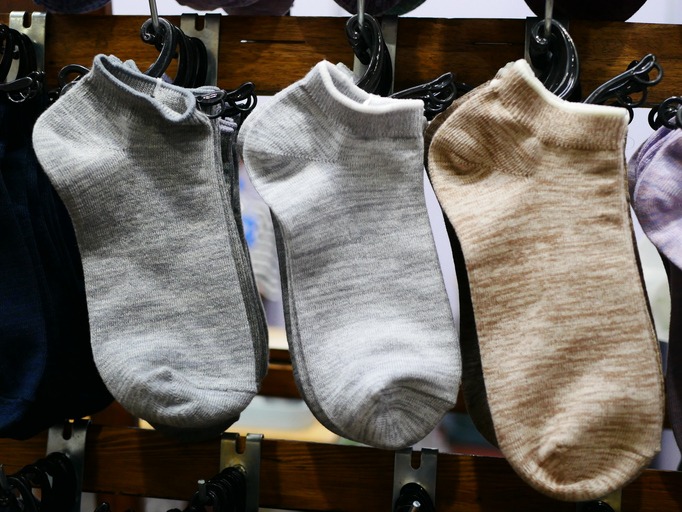
Choosing the right socks is fundamental for a comfortable hiking experience. Opt for moisture-wicking socks made from synthetic materials or merino wool. These fabrics help keep your feet dry, markedly reducing the risk of blisters. Blisters can quickly turn a fun hike into a painful ordeal, so ditch those cotton socks. Cotton retains moisture, increasing friction, which is a recipe for blisters and foot pain on long hikes.
Look for socks that offer cushioning in high-impact areas like the heel and forefoot. This added comfort provides better shock absorption, making your trek more enjoyable. Another tip is to contemplate wearing two pairs of socks. This layering can create a friction-reducing barrier, further minimizing your chances of developing blisters.
Ensuring that your socks fit well is just as important. Ill-fitting socks that bunch up can create unwanted friction points, contributing to discomfort and potential foot pain. Make sure the socks conform to your feet snugly without being too tight. By selecting the right socks, you’re taking a significant step toward preventing foot pain and ensuring your hiking adventures are as comfortable as possible.
On-Trail Foot Care
Selecting the right socks sets the stage for a comfortable hike, but on-trail foot care is likewise crucial to keep your feet pain-free. During your hiking adventure, regularly inspect your feet for early signs of discomfort, such as blisters or hot spots. Catching these issues early can spare you from severe pain later. Here are a few tips to help you maintain foot health on the trail:
- Keep your feet dry: Switch to dry socks if yours get wet. Moisture can increase friction, leading to blisters. Consider using foot powder to help absorb excess moisture and keep your feet comfortable.
- Air out your feet: During breaks, remove your boots and socks to let your feet breathe. This helps reduce moisture build-up and keeps your feet dry, promoting comprehensive foot health.
- Be proactive with hot spots: If you feel a hot spot forming, address it immediately. Use Leukotape or foot balm to manage potential blisters before they worsen.
To prevent irritation from debris, use light gaiters. They keep small rocks and grit out of your boots, minimizing discomfort. By prioritizing on-trail foot care, you’ll improve your hiking experience and keep foot pain at bay.
Preventing Blisters and Hot Spots

When you’re out on the trail, preventing blisters and hot spots is all about preparation and vigilance. Start by ensuring your footwear fits well and is properly broken in. This prevents tight areas and allows for adequate toe movement, reducing the risk of hot spots. To prevent blisters, apply Leukotape or moleskin to areas prone to friction before your hike.
Invest in moisture-wicking socks made from synthetic or merino wool materials. These help keep your feet dry and reduce friction, minimizing blister formation. Consider wearing two pairs of socks: a moisture-wicking inner layer and a cushioning outer layer. This combination can further decrease friction between sock layers.
During your hike, regularly inspect your feet for any signs of hot spots. Take breaks to check for discomfort or redness, and address issues immediately to prevent them from turning into painful blisters. If your socks become damp, don’t hesitate to change socks to keep your feet dry and comfortable.
Post-Hike Recovery Tips
After a long day on the trail, kick off your boots and let your feet breathe to prevent moisture buildup that can lead to irritation and infections. It’s vital to remove your boots and socks immediately after hiking. This simple act allows fresh air to reach your skin, reducing the risk of unwanted moisture. To promote recovery and reduce swelling, consider soaking your feet in cold water for 15-20 minutes. This practice not only soothes tired feet but also improves circulation, helping you feel refreshed.
Elevate your feet above heart level whenever possible. Regardless of whether during breaks or while resting, this position helps minimize swelling and encourages faster recovery by enhancing blood flow. Another significant step is to apply a moisturizing foot cream. Doing so keeps your skin hydrated and prevents dryness and cracking, ensuring your feet remain comfortable.
Regularly inspect feet after hikes to catch any blisters or injuries early. Address blisters promptly to prevent complications and maintain good foot health. Here are key steps to remember:
- Remove your boots and socks immediately.
- Soak feet in cold water for recovery.
- Apply moisturizing foot cream to keep skin hydrated.
Essential Foot Care Products
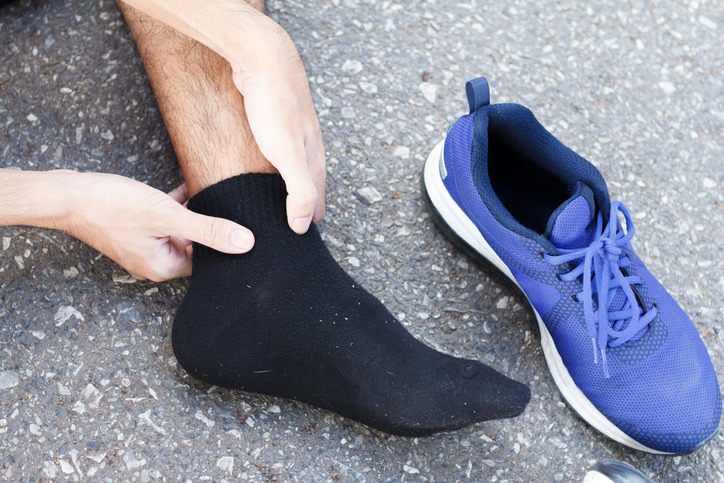
Taking care of your feet while hiking is vital to ensuring a comfortable and enjoyable experience on the trails. Start with the right hiking socks. Moisture-wicking socks, particularly those made from synthetic materials or Merino wool, are significant. They keep your feet dry, reducing the risk of blisters by wicking away sweat and moisture.
Next, consider lubricants and barrier creams like petroleum jelly or HikeGoo. Apply them to friction-prone areas of your feet to create a protective barrier, minimizing the chance of blisters. For added security, use blister prevention tape, such as Leukotape. Apply it to areas prone to rubbing before you even set foot on the trail.
After washing your feet, sprinkle on some antibacterial foot powders. These help absorb any leftover moisture, keeping your feet dry and fresh, which is vital for preventing fungal infections.
Don’t forget to pack moleskin or hydrocolloidal dressings in your hiking kit. They’re perfect for cushioning existing blisters and hot spots, offering both comfort and protection as you navigate rough terrains. With these significant foot care products, you’re well-equipped to tackle any hiking adventure blister-free.
Expert Insights and Advice
Expert advice reveals that a well-prepared hiker begins with selecting the right footwear. Guaranteeing a proper fit is vital; choose boots a size larger to accommodate foot swelling and allow toe movement. This helps prevent blisters and discomfort. Before hitting the trails, follow these care tips:
- Pre-condition your feet: About 1-2 weeks before your hike, soak your feet in Epsom salts and apply conditioning products. This reduces the risk of skin irritation and hot spots.
- Use moisture-wicking socks: These socks keep your feet dry, reducing friction and the likelihood of blisters. Changing them regularly during your hike is important for comfort.
- Check your feet often: During hikes, regularly check your feet for blisters and hot spots. Address any emerging discomfort promptly to prevent more serious issues.
Utilize protective materials like moleskin or Leukotape on known rub areas to manage foot pain effectively. Raise your feet during breaks to ease any swelling, and remember to stay hydrated to support general foot health. By following these expert insights, you can guarantee a more comfortable and pain-free hiking adventure.
Frequently Asked Questions
How to Stop Your Feet Hurting When Hiking?
To stop your feet from hurting when hiking, start with proper hiking footwear that offers arch support. Do foot stretches and warm-up exercises before hitting the trail. Choose sock materials that wick moisture, aiding in blister prevention. Stay aware of the terrain and use trail techniques to reduce strain. Keep hydrated, as per hydration tips, and consult podiatrist advice for persistent issues. Remember, a size up in boots can prevent swelling discomfort.
How Do I Stop My Feet From Hurting When I Walk Too Much?
To stop your feet from hurting when you walk too much, make sure you choose proper footwear with good arch support. Stretching exercises and warm-up routines are crucial. Practice good foot hygiene and stay hydrated. Choose moisture-wicking socks to prevent blisters. Be aware of the terrain and manage your pace to avoid overexertion. Regularly inspect your feet and trim nails to prevent issues. These steps help keep your feet comfortable and pain-free.
How to Get Your Feet Ready for Hiking?
To get your feet ready for hiking, start with proper stretching and foot exercises. Choose the right hiking footwear and insoles that suit your terrain. Opt for moisture-wicking sock material to maintain foot hygiene. Pay attention to terrain awareness and guarantee hydration importance. Trim toenails and moisturize to prevent discomfort. Warm up routines and trail preparation are essential. By following these steps, you’ll improve your hiking experience and prevent foot pain.
How Do You Stand to Prevent Foot Pain?
To stand without foot pain, guarantee proper footwear with good arch support. Focus on foot alignment and maintain a hiking posture with weight distributed evenly. Incorporate stretching exercises to stay flexible. Be aware of the terrain and adjust your stance accordingly. Take regular rest breaks to relieve pressure. Choose socks wisely to prevent blisters and maintain comfort. Don’t forget hydration strategies to keep your muscles functioning at their best.