

To prepare for your Mount Washington expedition, build physical stamina by training for six-mile hikes with a 3,000 feet elevation gain. Incorporate cycling, stair stepping, and resistance workouts. Mentally, visualize the views from the summit and take breaks to reconnect with nature. Gear up with insulated boots, crampons, an ice axe, and an emergency kit. Always check weather forecasts and be ready for extreme conditions. Inform someone of your route and only proceed if conditions are safe. Connect with local experts and hiking communities for extra support. Many valuable tips and insights await you on this historic climb.
Physical Training Regimen
Preparing for Mount Washington‘s challenging ascent requires a comprehensive physical training regimen. Start by aiming for the ability to hike 6 miles with a 3000 feet elevation gain. This baseline helps you manage the climb’s demands. Gradually increase your fitness level by incorporating a mix of activities. Cycling and high-intensity workouts are excellent for improving cardiovascular fitness, imperative for the energy you’ll need during the hike. To mimic trail conditions, use stair step machines to build leg strength, ensuring your muscles are ready for the terrain.
Regular hiking practice on tough trails is fundamental. Try to include two long hikes in Shenandoah to acclimate to elevation changes. These outings will augment your endurance and prepare you for what Mount Washington offers. Supplement your outdoor training with calisthenics and resistance workouts at home. Focus on upper body and core strength to improve total fitness, which aids in balance and stability on uneven paths.

Don’t overlook rest days. They’re critical for recovery and muscle rebuilding. Gradually increase workout intensity to prevent injuries. By following this training for hiking regimen, you’ll be well-equipped for Mount Washington’s ascent.
Mental Preparation Tips
Mental fortitude is as vital as physical strength when facing the challenges of Mount Washington’s ascent. To manage mental pressure, focus on one step at a time. This approach prevents feeling overwhelmed by the entire climb and helps maintain a positive mindset. Visualize the breathtaking views from the summit as a reward for your effort. This mental image can push you through moments of discomfort and fatigue.
It’s significant to remember the expedition doesn’t end at the top. Set a dual focus on both the ascent and descent. This perspective keeps you engaged and eases mental pressure throughout the hike. Take breaks to soak in the surrounding nature. These pauses offer mental refreshment and a sense of accomplishment as you reach each milestone.
Daydreaming or engaging in rhythmic thoughts can create a meditative state while hiking. This technique distracts you from fatigue and sustains your motivation. Each step becomes part of a rhythm, allowing your mind to wander productively. Welcome these mental preparation tips, and you’ll find the climb to Mount Washington’s summit more manageable and rewarding, ensuring you stay motivated from start to finish.
Essential Gear Checklist
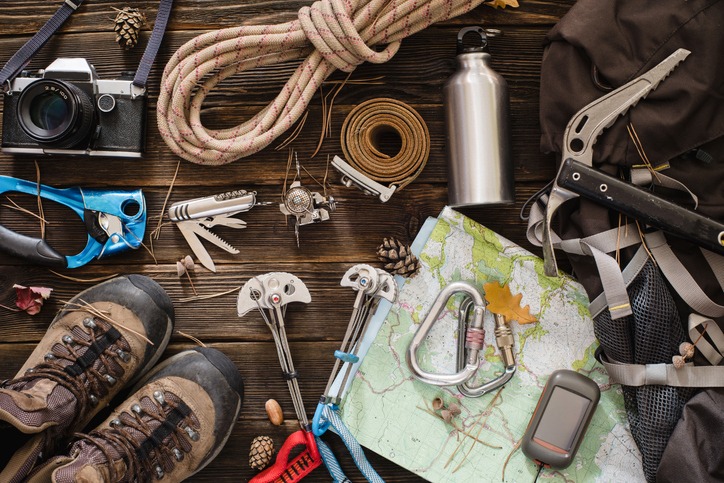
Equipping yourself with the right gear is vital for a successful expedition to Mount Washington. This historic climb demands thorough preparation, especially considering the unpredictable weather. Start with insulated winter boots from brands like Scarpa or La Sportiva, ensuring your feet stay warm and dry. Crampons are a must-have, providing the grip you need on icy surfaces. An ice axe is important for maneuvering steep, icy slopes safely.
Don’t overlook the importance of a bivy sack or sleeping bag. Sudden weather changes can force unexpected overnight stays, and having proper shelter can make all the difference. Protect your eyes from harsh winds and snow with goggles or sunglasses, which are indispensable for maintaining visibility during your ascent.
Before setting out, review a detailed gear checklist. Include navigation tools, emergency aid kits, and layers of clothing to adapt to changing conditions. High-quality gear improves safety and performance, so invest wisely. Brands like Korflach offer reliable options for mountaineering necessities.
Understanding Weather Patterns
While having the right gear is a key component of a successful Mount Washington expedition, understanding the mountain’s weather patterns is just as significant. Among the most unpredictable weather in the world, Mount Washington’s conditions can change rapidly. You’ll face temperatures at the summit in May that range from the upper 20s to low 30s Fahrenheit, often combined with average wind speeds of 30 mph. Here’s a structured approach to tackle the weather challenges:
- Monitor Forecasts: Before your climb, regularly check weather forecasts. Bad weather can lead to white-outs with near-zero visibility, impacting your route and safety.
- Prepare for Snow: Despite being spring, you might encounter average snowfall of 12 inches, with past records reaching up to 22 inches. Be ready for winter-like conditions.
- Expect Rapid Changes: The mountain’s early-season conditions can cause unpredictable temperature drops and increased winds, making it essential to adapt quickly.
- Plan for Freezing Rain: Wind chills can plummet below -50°F, and freezing rain is a possibility. Confirm you’re prepared for harsh, icy conditions.
Trail Safety Measures
As you prepare for your Mount Washington expedition, guaranteeing trail safety should be a top priority. Start by informing someone of your planned route and expected return time. This is vital in case of emergencies, making it easier for rescue teams to locate you if needed. Always carry important safety equipment such as a signal, probe, and shovel, especially in avalanche-prone areas. These tools can greatly improve your survival chances.
Mount Washington is notorious for its worst weather, so always be ready to turn back if conditions worsen. This peak’s weather can change rapidly, leading to white-outs and extreme cold, which can be life-threatening if you’re unprepared. Familiarize yourself with trail markers and navigation tools beforehand. Poor weather can drastically reduce visibility, turning navigation into a challenging task.
Prior experience on smaller peaks is highly recommended. It helps you build the necessary skills to tackle Mount Washington’s challenging terrain safely. Remember, the mountain isn’t going anywhere, so if the situation calls for it, don’t hesitate to turn back. Prioritizing trail safety measures guarantees you can enjoy this historic climb and return safely to share your adventure.
Booking and Logistics

Booking your Mount Washington expedition is straightforward with the online form, and it’s wise to reserve early to secure your ideal climbing dates. The process is designed to accommodate diverse needs, offering flexible scheduling options. Regardless of whether you’re planning a solo trip or a group adventure, here’s what you should know about managing your booking and logistics:
- Online Booking: Use the dedicated form to choose your climbing dates. Early booking is essential to avoid disappointment, especially during peak seasons.
- Group Options: If you’re climbing Mt. with friends or family, group bookings are available. This not only improves the experience but also makes the logistics smoother.
- Parking Details: Parking fees differ by trailhead, so check regulations in advance to avoid surprises. Knowing the specifics can save you time and guarantee a hassle-free start to your climb.
- Customer Support: If you have questions or need help with your booking, call 603.617.8788. The team is ready to assist with any logistics concerns or inquiries you might have.
Additionally, the website offers FAQs and policy information, making sure you’re well-prepared for your historic climb on Mount Washington.
Community Events and Support

Your expedition to Mount Washington isn’t just about logistics; it’s also an opportunity to engage with a lively hiking community. Community events like those organized by HIKE for Mental Health offer a fantastic way to connect with fellow hikers while promoting mental health awareness. These annual hikes, often held in North Conway, are open to novice participants for free, making them accessible and welcoming. You’ll find that these events are not just about the climb but building friendships and a supportive network.
Joining such community events allows you to contribute to mental health initiatives, adding a sense of purpose to your adventure. You’ll meet people who share your passion for the outdoors, providing encouragement and support as you prepare for your climb. These connections can improve your mental health, offering a sense of accomplishment and belonging.
Local organizations and forums in North Conway also play an essential role by offering valuable insights and resources. They help elevate your confidence and safety awareness, ensuring you’re well-prepared for your hiking expedition. Engaging with these community events and support systems not only benefits you personally but also strengthens the entire hiking community through shared experiences and goals.
Local Resources and Guides
View this post on Instagram
When preparing for your Mount Washington expedition, tapping into local resources and guides can make all the difference in your experience. The Pinkham Notch area is a hub for hikers, where the Appalachian Mountain Club (AMC) center offers vital weather updates. This is especially significant since Mount Washington’s weather can be unpredictable. Furthermore, the Mount Washington Observatory provides daily weather reports that are fundamental for planning your ascent. Consulting these resources guarantees you’re prepared for any conditions.
Here are some key local resources to take into account:
- IME/IMCS in North Conway, NH: Rent equipment and get expert guidance on gear and climbing techniques. Their expertise can be invaluable, especially if you’re new to climbing.
- Local climbing communities and online forums: These platforms are great for sharing insights on gear, conditions, and experiences. Engaging with these communities can give you a clearer picture of what to expect.
- Mount Washington Avalanche Center: Stay informed about avalanche risks. Their updates help you make safe route choices.
- Washington Observatory: Check their detailed forecasts for planning your climb. Their data is vital for timing your expedition right.
Environmental Stewardship Practices
To preserve Mount Washington’s pristine environment, it is important to practice environmental stewardship during your expedition. Start by adhering to the seven principles of Leave No Trace, which are vital to minimizing your ecological impact. Stick to established trails to protect fragile ecosystems and avoid off-trail hiking, which can cause soil erosion and disrupt wildlife habitats. By respecting these guidelines, you’re not only preserving the natural beauty of the area but also ensuring its enjoyment for future visitors.
Packing out all waste, including food scraps and litter, is critical. Leaving no trace means everything you bring in must go back out with you. This practice maintains the cleanliness and beauty of the trails and summit areas. Utilize designated campsites, which help reduce the environmental footprint and improve safety by minimizing the risk of getting lost or encountering hazardous conditions.
Engaging in local conservation efforts and participating in community events focused on environmental awareness can further promote responsible outdoor practices. By joining these initiatives, you contribute to a culture of environmental stewardship that benefits both Mount Washington and the broader hiking community. Remember, your actions today have a lasting impact on this historic landscape.
Frequently Asked Questions
How to Prepare to Climb Mount Washington?
To prepare for climbing, focus on climbing techniques by incorporating aerobic exercises and strength training. Pay attention to weather considerations, as Mount Washington’s conditions can change rapidly, with harsh winds and freezing temperatures. Gear necessities like insulated boots, crampons, and goggles are vital for safety. Know your trail options and be ready to turn back if necessary. Stay mentally prepared by focusing on one step at a time, which enhances endurance.
Can You Hike Mount Washington as a Beginner?
Yes, you can hike Mount Washington as a beginner. Start with the Jewell Trail for moderate difficulty. Focus on beginner tips like building your stamina with aerobic activities and strength training. Safety precautions are essential, so monitor the weather and prepare for rapid changes. Use local resources like the Pinkham Notch AMC center for updates. Joining community events offers support and companionship, enhancing your initial hiking experience. Stay informed and enjoy the adventure!
How to Dress for Mount Washington?
When dressing for Mount Washington, use layering techniques to adapt to unpredictable weather. Start with moisture-wicking base layers, add insulating mid-layers like fleece, and finish with a waterproof, windproof shell. Vital gear includes insulated winter boots and waterproof gaiters for snow. Don’t forget a warm hat, gloves, and neck gaiter to combat harsh winds. Goggles or sunglasses will protect your eyes from snow glare and wind, important for your climb.
What Is the Most Scenic Hike up Mount Washington?
You’ll find the Jewell Trail to be the most scenic hike up Mount Washington. It offers the best viewpoints with its stunning vistas of the Presidential Range. Trail highlights include open alpine meadows and diverse foliage, which change with the seasons, providing a visually rewarding experience. As you hike, enjoy the gradual elevation gain that makes it accessible for many fitness levels, while still showcasing the mountain’s dramatic contrasts.