

Climbing Mt. Shuksan is a fantastic adventure for beginner mountaineers. Start your expedition on the Shannon Ridge Trail, leading to a moderate ascent of the Sulphide Glacier. Equip yourself with crucial gear like crampons, an ice axe, helmet, and sturdy boots to safely navigate icy slopes and crevasses. As you approach the summit, tackle the final pyramid scramble for breathtaking views. Verify your gear checklist includes layered clothing and navigation tools, and always check weather conditions beforehand. To capture stunning summit photos, aim for early morning or late afternoon. Follow these tips and uncover more about this iconic climb.
Getting Started With Mt. Shuksan
Before you lace up your boots for the Mt. Shuksan adventure, prepare yourself for an unforgettable expedition into the heart of the North Cascades. Mount Shuksan, standing at 9,127 feet, offers beginner mountaineers a chance to develop vital alpine skills. The climb typically starts with a moderate glacier ascent via the Shannon Ridge Trail leading to the expansive Sulphide Glacier. Along this route, you’ll use crampons and an ice axe, important tools for safely maneuvering icy slopes and crevasses.
The path to the top is a series of breathtaking experiences. As you ascend, the panoramic views unfold, showcasing the majestic beauty of the surrounding peaks. The final challenge is the summit pyramid, a scramble that rewards your effort with unrivaled vistas from the top. This route is a perfect blend of challenge and accessibility, making it a popular choice for those new to mountaineering.
Mount Shuksan offers varied climbing routes, each catering to different skill levels. While the standard route is suitable for beginners, other options like the Fisher Chimneys provide a more technical experience. Regardless of the path you choose, the expedition is sure to be awe-inspiring.
Essential Gear for Beginners

When gearing up for your Mount Shuksan adventure, you’ll want to make certain you’ve got the necessities covered. Necessary gear like a helmet, harness, ice axe, and crampons are critical for safety on the mountain. Fortunately, Smile Mountain Guides provides these during your course, so you can focus on what to bring from home. Your personal gear checklist should start with sturdy hiking boots. These will support your feet across the varied terrain. Layered clothing is also significant, allowing you to adapt to changing alpine weather conditions. Don’t forget a reliable backpack to carry everything you need.
A medical kit and navigation tools, such as a map and compass, are crucial. They guarantee you’re prepared for unexpected situations and won’t lose your way. Pack extra food and water to keep your energy levels up throughout the climb. If you’re staying overnight, a sleeping bag rated for cold temperatures and a tent suitable for alpine camping are necessary. Make certain to review the gear checklist provided by your guide service. It’ll outline specific items based on the conditions and routes, guaranteeing you’re fully prepared for your adventure.
Navigating the Sulphide Glacier
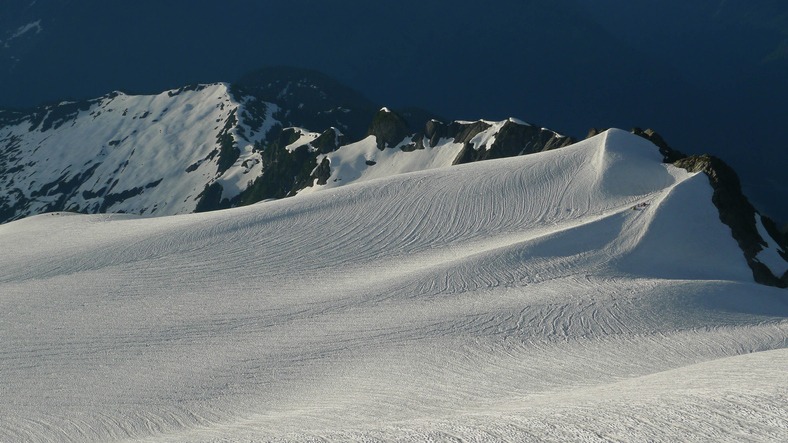
With your gear packed and ready, it’s time to focus on traversing the Sulphide Glacier, a significant part of your Mount Shuksan adventure. Starting from the Shannon Ridge Trail, you’ll access this glacier which offers a moderate glacier travel experience. As you climb, you’ll need to skillfully use your crampons and ice axe to navigate safely. Keep a keen eye out for crevasses, which are common obstacles on the Sulphide Glacier.
At around 6,000 feet, the high camp awaits, offering breathtaking views of the surrounding peaks. This spot serves as your base before the final summit push. From here, you’ll decide between the SE Ridge and Central Gully routes, depending on the conditions you encounter on the glacier. Each route has its own challenges, so assess carefully.
The summit push from high camp typically takes 8-10 hours, so physical fitness and preparation are key. As you ascend, stay focused and aware of your surroundings. The expedition is demanding yet rewarding, with the promise of reaching Mount Shuksan’s summit a motivating force. Remember, every step on the Sulphide Glacier brings you closer to an unforgettable achievement.
Safety Tips and Techniques
Safety should be every climber’s top priority when tackling Mount Shuksan’s challenges. Start by checking the weather forecast and trail conditions before your climb. Mountain weather can change rapidly, impacting your safety considerably. Equip yourself with the proper gear, including a helmet, harness, ice axe, and crampons. These items are critical, especially for glacier navigation and tackling the summit pyramid. While guides typically provide this gear, verify it fits comfortably and make necessary adjustments.
Familiarize yourself with necessary climbing techniques like cramponing and ice axe use, as these are crucial for maintaining stability on icy surfaces. Rope travel skills are also significant for negotiating the glacier sections safely. Knowing your route options, such as the SE Ridge or Central Gully, allows you to adapt your plan according to snow and ice conditions. Flexibility is fundamental, as conditions can vary considerably.
Lastly, always practice Leave No Trace principles to protect the pristine Pacific Northwest wilderness. This approach helps preserve the environment for future climbers and guarantees that your adventure leaves no negative impact. By prioritizing these safety tips and techniques, you’ll improve your climbing experience on Mount Shuksan.
Planning Your Climb Logistics
Initiating a climb to Mount Shuksan requires careful planning, especially regarding logistics. Start by organizing your travel arrangements; renting a car from Seattle provides flexibility and ease in reaching the North Cascades National Park. Nearby towns like Bellingham or Sedro-Woolley make great bases for your climbing experience, offering a variety of accommodation options such as hotels, suites, and vacation rentals. This will guarantee a comfortable stay before and after your climb.
Next, address permits and fees. Check in advance for any park fees and necessary permits, as these are vital for accessing Mount Shuksan. Avoiding last-minute surprises will keep your climbing plans on track. For those new to climbing or seeking a structured experience, consider joining guided climbing courses. These courses often cover group logistics, including guide fees, park fees, and group equipment like ropes and stoves. However, you’ll need to manage your transportation and personal gear independently.
Planning your group logistics is also key. Regardless of whether you’re climbing solo or with others, make sure everyone’s responsibilities are clear. This preparation will improve your overall experience, allowing you to focus on the adventure ahead and the stunning views Mount Shuksan offers.
Capturing the Perfect Summit Photo

To capture the perfect summit photo on Mount Shuksan, aim for the golden hours of early morning or late afternoon, when the sun casts a warm glow over the landscape. This golden light amplifies the mountain’s features and textures, making your photos pop. While at the summit, take advantage of the panoramic views, especially the breathtaking vistas of nearby peaks like Mount Baker and the North Cascades.
Incorporate iconic elements such as the summit pyramid and surrounding glaciers to add context and showcase Mount Shuksan’s majestic elevation of 9,127 feet. Experiment with different angles during your alpine climbing adventure. Shooting from a lower vantage point can highlight the mountain’s grandeur and allow you to include foreground elements like rocks or colorful alpine flowers for added depth.
High contrast conditions require careful attention to camera settings. Use a polarizing filter to reduce glare from the snow, improving the blue sky for a stunning visual effect. These adjustments will guarantee your photos capture the true essence of the mountain. Each shot you take will be an indication of the beauty and majesty of Mount Shuksan, creating memories you’ll cherish forever.
Frequently Asked Questions
How Hard Is It to Climb Mount Shuksan?
When you tackle Mount Shuksan, expect moderate difficulty levels. You’ll navigate climbing routes that demand a good gear checklist, including crampons and ice axes. Weather conditions can be unpredictable, so safety tips are essential. Training exercises will bolster your stamina and navigation skills. The trail descriptions highlight both challenges and beautiful summit views. For beginners, it’s a rewarding experience if you’re well-prepared and aware of the mountain’s demands.
How to See Mt Shuksan?
To see Mt. Shuksan, start at the best viewpoints along the Mount Baker Scenic Byway. Picture Lake Trail offers easy trail access for stunning photography, especially at sunrise or sunset. Consider seasonal changes; late spring and summer are ideal for blooming wildflowers. Bring appropriate hiking gear and plan your route, ensuring safety precautions against unpredictable weather. Camping options abound, and you might spot local wildlife during your adventure.
Where Is Mount Shuksan Located?
You’ll find Mount Shuksan in North Cascades National Park, Washington, with a rich history and iconic climbing routes. For the best viewpoints and photography spots, investigate its scenic trails. Make sure you’ve got the right gear and follow safety tips. Access trails like Shannon Ridge for wildlife encounters. Respect environmental conservation efforts. After your adventure, enjoy local accommodations to relax. This peak offers a unique blend of natural beauty and thrilling exploration.
When to Climb Glacier Peak?
You should climb Glacier Peak between late July and early September. During these popular seasons, you’ll find the best routes with stable weather conditions. Make sure you’ve got climbing gear ready and consider local guides for safety tips. Check trail access and climbing permits beforehand. Prepare physically to tackle challenges like altitude sickness. Always monitor forecasts and recent trip reports to guarantee ideal conditions and adjust plans if necessary.