

To prepare for summiting Lhotse, you’ll need exceptional physical fitness and mastery of advanced climbing skills. Focus on building stamina and strength with a tailored mountaineering program. Gain experience on high-altitude peaks like Denali for acclimatization. Practice advanced crampon and rope techniques, and prioritize acclimatization by ascending no more than 1,000 feet daily. Equip yourself with a down sleeping bag, multi-layer clothing, and crucial climbing gear.
Familiarize yourself with safety measures, including HAPE and HACE symptoms. Secure climbing permits beforehand and plan logistics from Kathmandu. Investigate deeper strategies to improve your chance of a successful summit.
| Category | Summary |
|---|---|
| Overview | Lhotse, the 4th highest mountain in the world at 8,516m, is a formidable 8000-meter peak requiring exceptional physical conditioning, advanced technical climbing skills, and high-altitude experience. |
| The Lhotse Challenge |
|
| Essential Training & Skills |
|
| Equipment & Gear |
|
| Acclimatization Strategies |
|
| Climbing Routes |
|
| Safety & Protocols |
|
| Logistics & Permits |
|
| Cost & Budget |
|
| FAQs |
|
Understanding the Lhotse Challenge
Understanding the Lhotse challenge requires recognizing the formidable nature of this peak. At 8,516 meters, Lhotse is the fourth highest mountain in the world, demanding exceptional climbing skills and physical fitness. The expedition to the summit isn’t just a climb; it’s a battle against high altitude and extreme weather conditions. Your route to the top involves traversing the notorious Khumbu Icefall and enduring the steep 50 to 60-degree slopes in the final 300 meters. These elements require technical climbing expertise, where fixed rope techniques become your lifeline.
As you ascend, you’ll face varying weather conditions, with spring offering warmer, yet still challenging, climates. Autumn, however, brings colder and less predictable weather, increasing the difficulty exponentially. Despite a 67% summit success rate, Lhotse’s challenges are not to be underestimated. The mountain demands thorough preparation, underscoring the need for significant physical fitness to handle its grueling demands.
Lhotse might be considered one of the more achievable 8000-meter peaks, but it still requires an all-encompassing understanding of climbing skills and conditions. Each step upward tests your resolve, making the summit a reflection of your endurance and preparation.
Essential Training and Skills
View this post on Instagram
Preparing for a Lhotse expedition demands a rigorous training regimen and mastery of significant climbing skills. Tackling high altitudes requires experience on peaks like Denali or Aconcagua, ensuring you’re ready for the challenges ahead. Your physical fitness should be exceptional, allowing you to carry heavy climbing gear and endure long, strenuous hours. Focus on building stamina and strength through a tailored mountaineering program. Include exercises that enhance your endurance and prepare you for the Lhotse Couloir’s steep, rocky terrain.
Acclimatization is key. Ascend no more than 1000 feet daily, incorporating rest days to allow your body to adapt. This gradual approach minimizes altitude sickness risks, preparing you for the final summit push. Regarding technical skills, mastering advanced cramponing and rope techniques is critical. These skills will enable you to navigate glaciers and icy sections effectively, ensuring safety on the climb.
Glacier navigation is another fundamental skill, especially for the final stretch. Practice ice climbing to tackle the technical demands of the Lhotse Couloir. With the right preparation, you’ll increase your chances of a successful and safe ascent, achieving your goal of summiting Lhotse.
Equipment and Gear Checklist
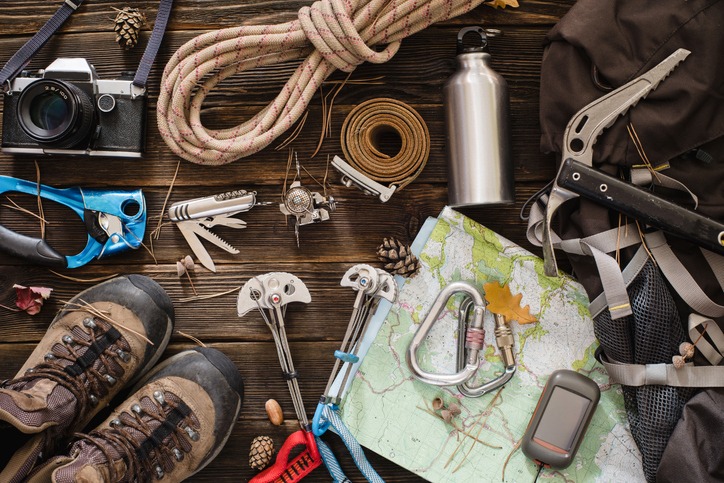
With your training and skills honed for the challenges of Lhotse, turning attention to the right equipment and gear guarantees you’re ready for the climb. Fundamental climbing gear includes a harness, ice axe, crampons, and trekking poles, all of which help you navigate Lhotse’s demanding terrain. You’ll also need a sturdy down sleeping bag, rated for extreme temperatures, as high-altitude conditions at High Camp can plummet to -30°C, ensuring you stay warm during the night.
Layering is key in battling the harsh weather. Pack a multi-layer clothing system with insulating jackets, waterproof hard shells, gloves, and mittens to shield yourself from the mountain’s severe cold and wind. A personal primary-aid kit is indispensable for tackling any health issues that arise, and don’t forget altitude sickness medication, which can be significant at such elevations.
Sustaining your energy is critical, so bring 2-4 kg (4.5-9 lbs) of high-energy snack food. Energy bars and dried fruits are excellent options to keep you fueled during the ascent. Proper equipment and gear are the backbone of your expedition, ensuring safety and success on Lhotse’s slopes.
Acclimatization Strategies
Acclimatizing effectively is crucial when preparing for the demanding climb up Lhotse. The key to a successful ascent is allowing your body to adapt to the high altitude, thereby reducing the risk of altitude sickness. Typically, acclimatization takes around one week. During this period, you should focus on a gradual ascent, increasing your altitude by no more than 1,000 feet per day. This slow pace helps your body adjust to the reduced oxygen levels you’ll encounter.
Incorporate multiple acclimatization days at strategic points like Camp 1, situated at 6,065 meters, and Camp 2, at 6,500 meters. These stops are vital for optimizing your performance before attempting the summit. Although supplemental oxygen isn’t necessary during these acclimatization stages, it’s highly recommended for the final push above 8,000 meters to help with breathing and reduce fatigue.
While some climbers opt for specialized tents to simulate lower altitudes, their effectiveness remains debated. The preferred method remains a natural acclimatization through gradual ascent. By prioritizing these strategies, you’ll prepare yourself for the high-altitude challenges of the Lhotse and Everest expedition, improving your chances of a successful climb.
Navigating the Climbing Routes

How do you choose the best path when faced with multiple climbing routes up Lhotse? Start by considering the popular West Face route. It begins at Everest Base Camp and requires setting up multiple camps to guarantee proper acclimatization before your summit attempt. As you ascend, you’ll reach Camp 4 at 7,900 meters, where the real challenge begins. Here, you tackle the steep Lhotse Face and navigate the narrow Lhotse Couloir, demanding significant technical prowess.
Alternatively, the South Col route also begins at Everest Base Camp. This path takes you through the treacherous Khumbu Icefall. You’ll then establish camps at 6,065 meters (Camp 1) and 6,500 meters (Camp 2) to acclimate and reduce the risk of altitude sickness. It’s vital to incorporate rest days to allow your body to adjust to the altitude changes.
For the exceptionally skilled and daring, there’s the Direct South Face Route. This climbing route is rarely attempted due to its extreme difficulty and objective dangers. Whichever path you choose, guaranteeing a gradual ascent and strategic acclimatization is key to a successful and safe summit attempt on Lhotse.
Safety Measures and Protocols
Choosing the right climbing route is just the beginning; safeguarding your safety is vital as you tackle Lhotse’s formidable challenges. Start by familiarizing yourself with fundamental safety measures and emergency protocols. Understand evacuation procedures and communication methods to be prepared for any situation during your expedition. Be vigilant about high-altitude risks such as High Altitude Pulmonary Edema (HAPE) and High Altitude Cerebral Edema (HACE). Recognize symptoms early and descend immediately if they occur to prevent life-threatening situations.
Implement proper acclimatization strategies by ascending no more than 1,000 feet per day, allowing your body to adjust to the altitude. Supplemental oxygen is important, especially during the summit push. Plan to carry four additional oxygen bottles for summit day to improve your safety. Equip yourself with a multi-layer clothing system, including insulated and waterproof gear, to combat severe cold and unpredictable weather conditions you’ll encounter at high altitudes.
Furthermore, verify you’ve secured a climbing permit well in advance, as this is an important part of your preparations. Prioritizing these safety measures will greatly improve your chances of a successful and safe climb on Lhotse.
Logistics and Permits
When preparing for a Lhotse expedition, securing the necessary logistics and permits is vital for a smooth trip. You’ll start in Kathmandu, where arranging logistics with local companies is significant. They can help you navigate the process of obtaining a climbing permit, which costs about $1,800 per person. Don’t forget to factor in supplementary fees for trash management. Here’s a breakdown of the logistics and permits you’ll need:
- Climbing Permit: Necessary for any Lhotse Expedition, this permit is your ticket to climb.
- Sagarmatha National Park and Everest National Park Permits: These are required for trekking through these protected areas. Consult updated requirements as they may change.
- Local Ground Agents: Hire one in Kathmandu to streamline your permit application process and assist with other logistics.
- Expedition Duration Planning: Typically, the expedition lasts about seven weeks—one week for the trek to Base Camp and six weeks for acclimatization and climbing.
Organizing logistics means planning every detail, from travel and accommodations to food and gear. By working with local companies, you’ll guarantee everything’s in place for your climb, making your Lhotse adventure safe and successful.
Cost and Budget Planning

While preparing for your Lhotse expedition, understanding the cost and budget planning is vital. The Lhotse climb can be a considerable financial commitment, with climbing costs ranging between $7,000 and $21,000. These costs depend largely on the logistics company and the services they offer. A climbing permit alone is around $1,800 per person, with extra fees for trash management and logistics. If you’re considering a private guide, expect to pay $5,000 for an IFMGA guide and up to $10,000 for a private Western guide.
For those contemplating the Everest/Lhotse combination, the expenses rise markedly, ranging from $42,950 to $53,450. It’s important to incorporate every aspect of your expedition into your budget planning. Beyond the climbing costs, you need to account for travel, accommodation, gear, food, and insurance. Each of these elements can notably add to the total expense of the expedition.
Traveling to Nepal, staying in Kathmandu, and acquiring necessary gear can quickly accumulate costs, making thorough budget planning vital. By carefully evaluating each component of your Lhotse climb, you’ll guarantee a financially prepared and successful expedition.
Frequently Asked Questions
How Difficult Is Lhotse to Climb?
Climbing Lhotse is incredibly challenging due to its steep slopes and harsh weather conditions. You’ll need to contemplate acclimatization strategies to combat altitude sickness. Vital gear and physical training are significant to handle the demanding route options. Understanding expedition logistics is key, as steering through the Khumbu Icefall requires precision. The narrow Lhotse Couloir demands advanced skills. Proper preparation can make a difference, but it’s an intimidating feat nonetheless.
How Many People Have Summited Lhotse?
You’ve probably wondered about Lhotse’s summit history. Approximately 600 climbers have successfully reached the top. Among these notable climbers are Josef Rakoncaj and Lakpa Sherpa. The climbing seasons dictate your preparation, as altitude sickness and gear requirements are essential. Base camp acts as your launchpad, and you must be ready for any rescue operations if needed. Always consider the environmental impact your climb might have as you plan your ascent.
How Technical Is Lhotse?
Lhotse routes are technically demanding, with steep sections requiring advanced skills. You’ll face risks like altitude sickness, so acclimatization strategies are essential. The weather conditions can be unpredictable, affecting your climb. Your climbing gear should include ropes and ladders for traversing the Khumbu Icefall. A rigorous training regimen prepares you for the challenges. Consider expedition costs and prioritize safety protocols to guarantee a successful and safe ascent.
What Is the Incline of the Lhotse Face?
When you’re tackling the Lhotse Face, expect inclines of 50 to 60 degrees. Understanding Lhotse conditions is essential as you plan your route. Altitude sickness can hit hard, so prioritize acclimatization and make certain your climbing gear is high-quality. Expedition logistics include monitoring weather patterns and setting up a solid base camp. Good route planning helps you manage risks like rock falls. Safety is key as you ascend this challenging section.