

Climbing Mount Tofana Di Rozes offers an exciting challenge for newcomers in the Dolomites. Plan your adventure between late June and early September for the best conditions. Equip yourself with sturdy climbing boots, a harness, helmet, rope, and layered clothing. Build your fitness through cardio and strength training, focusing on legs, core, and flexibility. Study maps and familiarize yourself with the Lipella Via Ferrata route, perfect for beginners. Stay alert to weather changes, and master basic climbing techniques for safety. Once you’re ready to climb, there’s so much more to uncover along the way.
Understanding Mount Tofana Di Rozes
Mount Tofana Di Rozes, one of the stunning peaks in the Dolomites, offers climbers a unique and exhilarating experience. Before you set foot on this majestic mountain, it’s vital to understand the challenges and prepare appropriately. Mastering climbing techniques is imperative. You’ll encounter diverse terrains, from steep rock faces to narrow ridges, requiring skills in both traditional and sport climbing. Practice your footwork, hand placements, and rope management to guarantee safety and efficiency on the ascent.
Altitude acclimatization is another significant factor when tackling Tofana Di Rozes. The mountain rises to 3,225 meters (10,580 feet), and you’ll need to prepare your body for the thinner air. Spend a few days prior to your climb at higher altitudes, allowing your body to adjust. Hydrate well, eat nourishing meals, and listen to your body to avoid altitude sickness, which can derail your adventure.
Understanding these aspects of Mount Tofana Di Rozes prepares you to face the mountain’s challenges head-on. With the right climbing techniques and proper altitude acclimatization, you can conquer this breathtaking peak and enjoy the awe-inspiring views it offers.
Best Time to Climb
After understanding the challenges of Mount Tofana Di Rozes, it’s time to contemplate when you’ll begin your climb. The climbing seasons here stretch from late June to early September, offering the best weather conditions and accessibility. During these months, the mountain is free from snow and ice, making it safer and more manageable for beginners. You’ll experience clear skies, moderate temperatures, and less chance of sudden weather changes, which are vital for a successful ascent.
However, don’t underestimate the importance of altitude acclimatization. Mount Tofana Di Rozes stands at an impressive height, and adapting to the altitude is necessary. Plan to spend a day or two in the surrounding area before your climb. This will help your body adjust and reduce the risk of altitude sickness, ensuring you remain fit and ready for the challenge ahead.
Avoid the shoulder seasons of May and October, as weather conditions can be unpredictable, with lingering snow and potential storms. Winter months are best left to experienced climbers equipped for extreme conditions. By choosing the ideal climbing seasons and preparing for altitude acclimatization, you’ll improve your climbing experience and optimize your safety on Mount Tofana Di Rozes.
Essential Gear Checklist
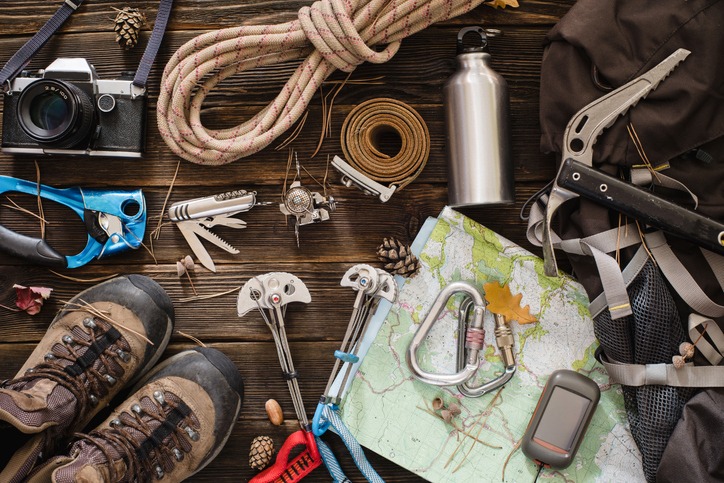
Climbing gear is vital for a successful and safe ascent of Mount Tofana Di Rozes. You’ll want to make sure you have the right vital climbing gear before setting foot on the mountain. Start with a sturdy pair of climbing boots; they’re a must-have for tackling the rocky terrain. A quality climbing harness is another piece of must-have equipment, offering the security you need when scaling steep sections.
Don’t forget your helmet, as it protects against falling debris or unexpected slips. A reliable climbing rope, suited to the mountain’s specific challenges, is critical. You’ll also need a set of carabiners and quickdraws, which are indispensable for securing yourself to the rock face.
Layered clothing, including moisture-wicking base layers and a weather-resistant outer shell, will keep you comfortable in changing conditions. A lightweight backpack will help you carry these vital items, plus snacks and water to stay fueled and hydrated.
Preparing for the Ascent
Before you commence your climb, getting physically and mentally prepared for the ascent is vital. Building your climbing fitness is fundamental to ensuring a safe and enjoyable experience on Mount Tofana Di Rozes. Start by incorporating cardiovascular exercises, like running or cycling, into your routine to enhance your endurance. Don’t forget strength training, focusing on your legs, core, and upper body, to handle the challenging terrain. Flexibility exercises, such as yoga or stretching routines, will also help prevent injuries and improve your agility on the climb.
Equally significant is mental preparation. Ascending a mountain can be as much a mental challenge as a physical one. Visualize yourself successfully reaching the summit and breaking the climb into manageable sections in your mind. This approach can alleviate anxiety and make the expedition seem less intimidating. Practice mindfulness or meditation techniques to stay focused and calm during unexpected challenges.
Lastly, familiarize yourself with the route and weather conditions. Knowing what to expect will enhance your confidence and help you mentally prepare for any surprises. Talk to experienced climbers or guides who can share insights and tips, ensuring you’re ready for the adventure ahead.
Navigating the Terrain

Image: Please use one of the templates derivative or extract., Tofana di Rozes parete sud Dolomiti Ampezzo, CC BY-SA 4.0
Maneuvering the terrain of Mount Tofana Di Rozes requires both skill and awareness. As a novice, you’ll find that its diverse terrain types demand careful navigation. You’ll encounter rocky paths, scree slopes, and perhaps even some snow patches. Pay close attention to trail markers, as they’ll guide you safely along the established routes. These markers aren’t just suggestions; they’re crucial for maintaining your direction and guaranteeing you’re on the right path.
To effectively navigate the terrain, consider these steps:
- Study the Map: Before you set out, familiarize yourself with the route. Knowing the general layout of the trail and the terrain types you’ll encounter can help you plan your day.
- Look for Trail Markers: As you hike, keep an eye out for trail markers. These are often painted on rocks or trees and will help confirm you’re heading in the right direction.
- Adjust Your Pace: Different terrains require different paces. Slow down on steep or rocky sections to maintain balance and prevent fatigue.
- Stay Aware: Always be mindful of your surroundings. The terrain can change quickly, and staying focused helps guarantee your safety.
Weather Considerations
Understanding the weather conditions is vital when planning an ascent of Mount Tofana Di Rozes. The mountain’s climate patterns can greatly impact your climbing experience, so it’s significant to know what to expect. During summer, temperatures are generally mild, creating ideal conditions for your climb. However, afternoon thunderstorms are common, so you’ll want to start early and plan to descend before storms roll in. Fall offers crisp air and stunning foliage, but temperatures can drop sharply, especially at higher altitudes. With winter comes snow and ice, making the climb more challenging and requiring specialized equipment.
Spring sees a mix of melting snow and warming temperatures, which can lead to unpredictable weather. It’s imperative to check forecasts frequently, as conditions can change rapidly. You should also be aware of the seasonal variations that affect the mountain’s terrain. Snowmelt in spring can lead to slippery paths, while summer heat can cause rockfalls. Understanding these patterns helps you prepare for potential challenges. Always pack layers, as conditions can vary from the base to the summit. By staying informed about the weather, you’ll enhance your chances of a safe and enjoyable climb.
Safety Tips for Beginners

Climbing enthusiasts know that preparation is key when tackling Mount Tofana Di Rozes, especially for beginners. Your safety on the mountain depends on understanding basic climbing techniques and recognizing the risks of altitude sickness. Before setting foot on the trail, consider these crucial safety tips:
- Master Basic Climbing Techniques: Before you start climbing, familiarize yourself with fundamental techniques like proper foot placement, balance, and rope management. Practicing these skills beforehand can greatly reduce risks.
- Acclimatize to the Altitude: Altitude sickness can hit even the fittest climbers. Spend a day or two at higher elevations to let your body adjust. Drink plenty of water and ascend gradually to minimize symptoms.
- Pack Crucial Safety Gear: Always carry a well-stocked first aid kit, a map, compass, headlamp, and a whistle. These items can be lifesavers in emergencies. Don’t forget layers of clothing to adapt to changing weather conditions.
- Stay Informed About Weather Conditions: Sudden weather changes are common in the mountains. Check forecasts and be prepared to adjust your plans or turn back if necessary to guarantee your safety.
Recommended Climbing Routes
Now that you’re equipped with fundamental safety knowledge, it’s time to investigate the best routes up Mount Tofana Di Rozes. The classic choice for beginners is the Lipella Via Ferrata. This route offers a great mix of challenge and reward, featuring a series of cables and ladders that guide you through stunning rock formations. You’ll encounter breathtaking scenic viewpoints, where you can pause to admire the vast Dolomite landscape. Familiarize yourself with basic climbing techniques, such as the proper use of carabiners and harnesses, to guarantee a smooth ascent.
For those seeking a slightly more challenging climb, try the Gianni Aglio Route. This path is more demanding regarding climbing techniques, requiring you to be comfortable with basic rock climbing skills. The payoff is worth it, as you’ll be treated to panoramic views that are simply unforgettable.
If you’re up for an adventure, the Punta Anna Route is an exhilarating choice. It combines technical climbing with awe-inspiring scenery. Remember to keep your eyes open for the scenic viewpoints along the way. Each offers a unique perspective on the magnificent landscape surrounding Mount Tofana Di Rozes.
Post-Climb Recovery Tips
After conquering the majestic heights of Mount Tofana Di Rozes, it’s vital to prioritize recovery to guarantee your body bounces back effectively. Your post-climb regimen should focus on replenishing lost fluids, easing muscle tension, and ensuring adequate rest. Implementing strategic hydration strategies and muscle recovery techniques can greatly improve how you feel post-adventure.
- Hydration Strategies: Start by rehydrating with water and electrolyte-rich beverages to replenish what you lost during the climb. Aim to drink at least two liters of water and consider adding a pinch of salt to your water to restore sodium levels.
- Stretch and Relax: Engage in gentle stretching exercises to alleviate muscle stiffness. Focus on your legs, back, and shoulders—areas most affected by the climb. Yoga poses like the downward dog or child’s pose can help release tension.
- Nutrient-Rich Meals: Fuel your body with meals rich in proteins and carbohydrates. This aids in muscle recovery and provides the energy needed to repair tissues.
- Rest and Sleep: Ultimately, prioritize a good night’s sleep. Quality rest is vital for muscle recovery and general rejuvenation. Aim for eight hours of uninterrupted sleep to allow your body to repair and recharge fully.